

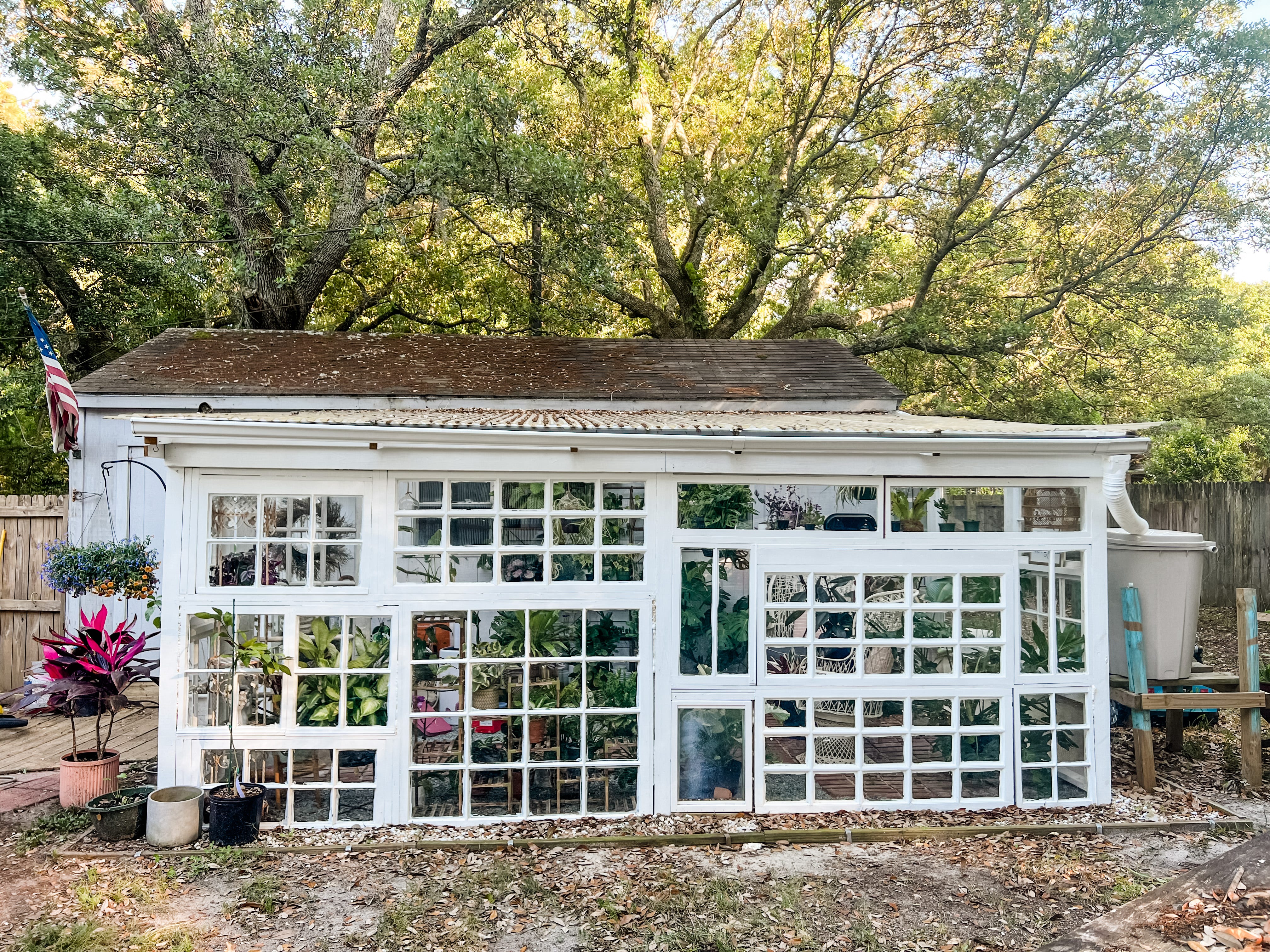
Jennifer’s pretty little greenhouse has a powerful feature: a 55-gallon rain capture system (on the right).
Earth Day is observed by more than one billion people around the world. This year I hope that number increases, perhaps fueled by the images of “Earthset” taken from Orion during its far side of the moon journey. A planet worth cherishing, worth conserving.
This post is all about a small way to cherish your water. Water—where to find it, how to access it, how to conserve—has driven civilizations since the beginning of time. It’s a big topic so we’re just going to zoom in on one tiny piece: rain saving.
Please note: Rainwater harvesting in the United States is restricted in some states and often has rules against using it for bathing or drinking. This post is strictly focused on an under-2,000 gallon system for irrigation, which is legal and even encouraged in most areas.
I love this example from Jennifer Ainsworth (@jjays_greenhouse) and most of us could replicate it in the garage or a shed.
Her rainwater capture system uses gravity, gutters, a big container and a hose to create a free-flowing spigot, making it easy to irrigate her potted plants all year long.
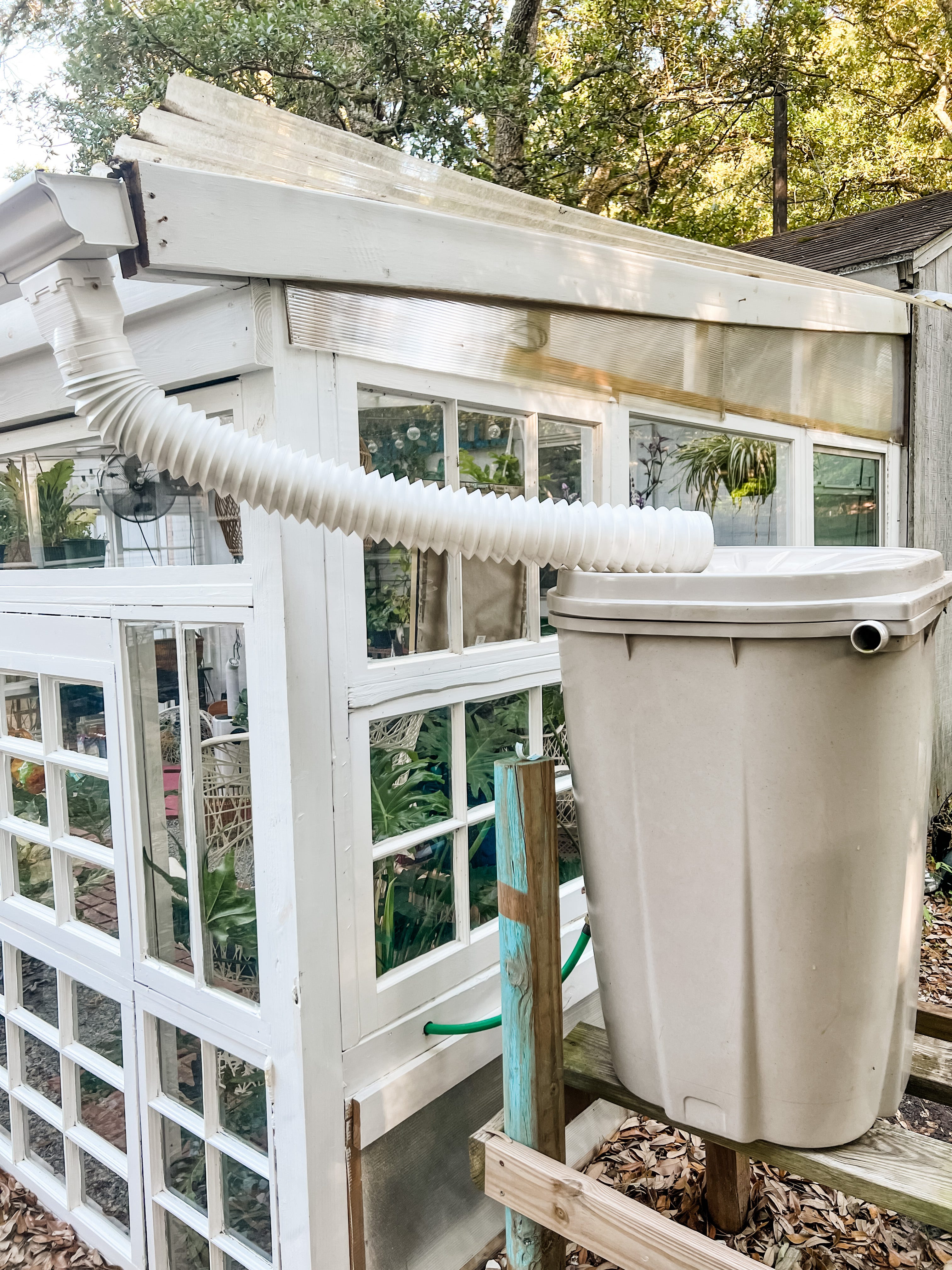
Gravity flow is simply about positioning your gutters and your collection barrel so that the rainwater drains easily and doesn’t pool.
Ainsworth, a database manager in Wilmington, NC and mom to a ten-year old, wanted to try her hand at gardening “when she had some time.” That time didn’t come until 2020, when the pandemic forced non-essential workers to stay home. Jennifer had a shed but wanted to add a light-filled greenhouse onto it. She and her husband started collecting windows and built a custom greenhouse of their own design.
A Better Way to Water
After a year of experimenting and teaching herself about plant care, Jennifer’s success as a tropical plant grower increased significantly. She quickly filled her new greenhouse with potted tropicals, while at the same time planting exterior gardens including vegetable beds and a wildflower patch.
Soon the hand watering became an onerous task. “I was filling up watering cans to water everything, which wasn’t too bad when we first started, but it got old quickly,” Jennifer says. Her husband did a little research and decided to create a simple rain capture system.
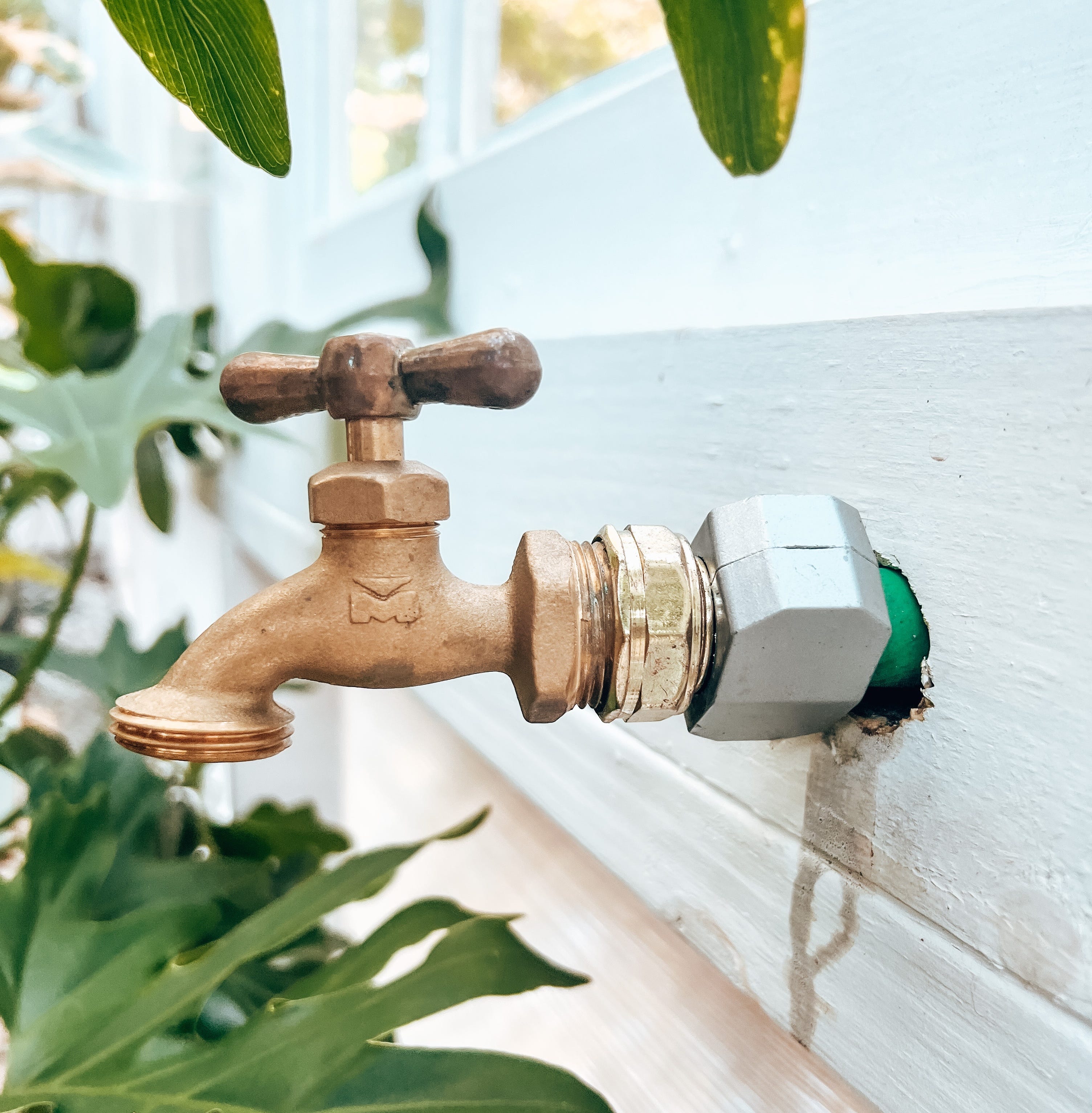
There’s something deeply satisfying about tapping into rainwater with just a barrel and a hose.
The result was a game-changer. “We save time and energy,” Jennifer says. “The plants really thrive on the rainwater.”
The gutter is 20 feet long and the rain barrel holds 55 gallons. According to Ainsworth’s calculations, the system can collect as much as 2,000 gallons during the five-month rainy season.
Here’s how they did it.
Rainwater Capture System
What You’ll Need
Rain barrel stand (bricks, cinderblocks, pressure-treated wood)
Rain barrel
Gutters
Downspout
Flexible gutter extension
Garden hose
Female hose adapter
Spigot
Instructions
Choose a location for your rain barrel and stand. It should be close to the downspout from your gutters and on level ground.
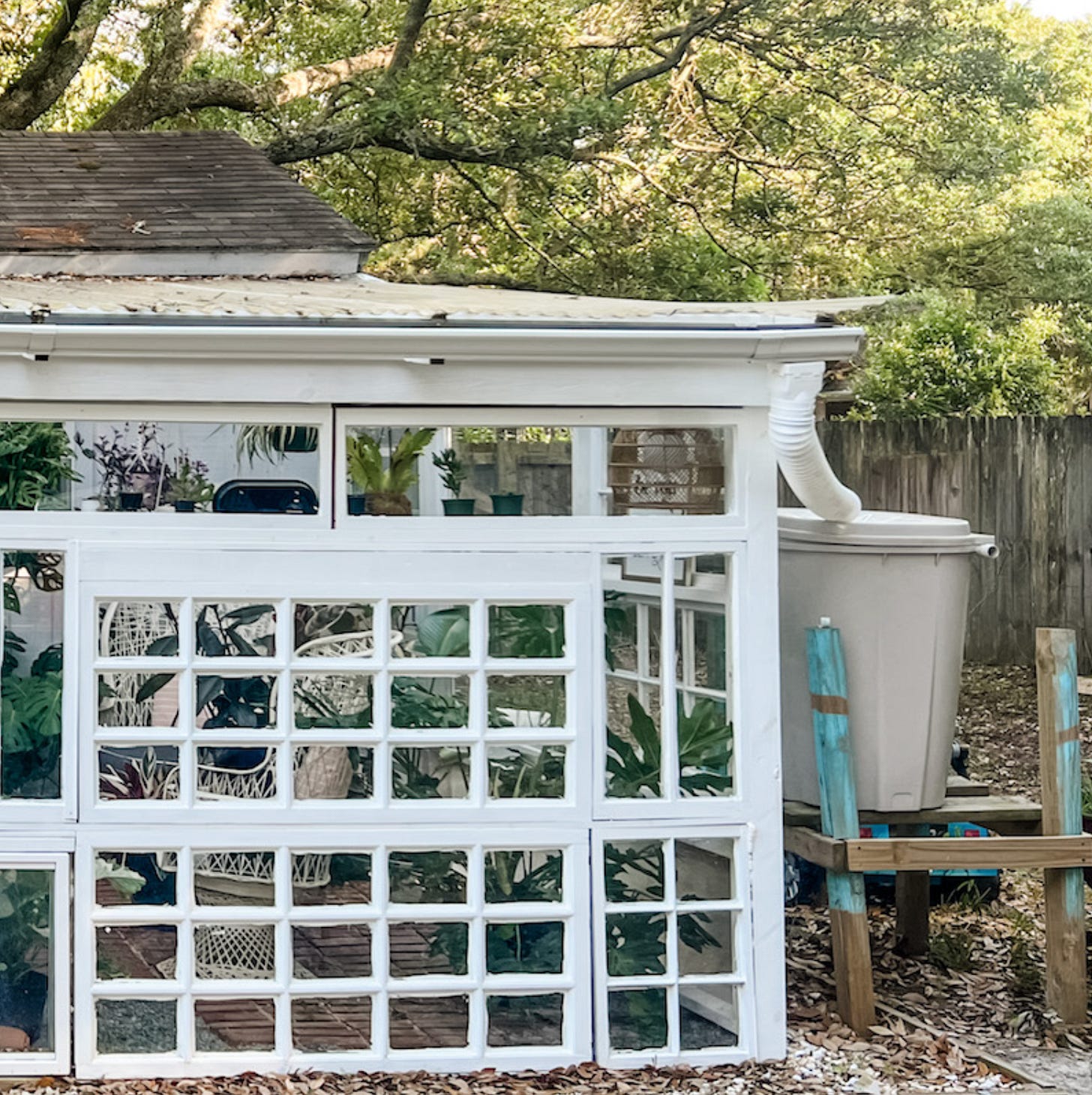
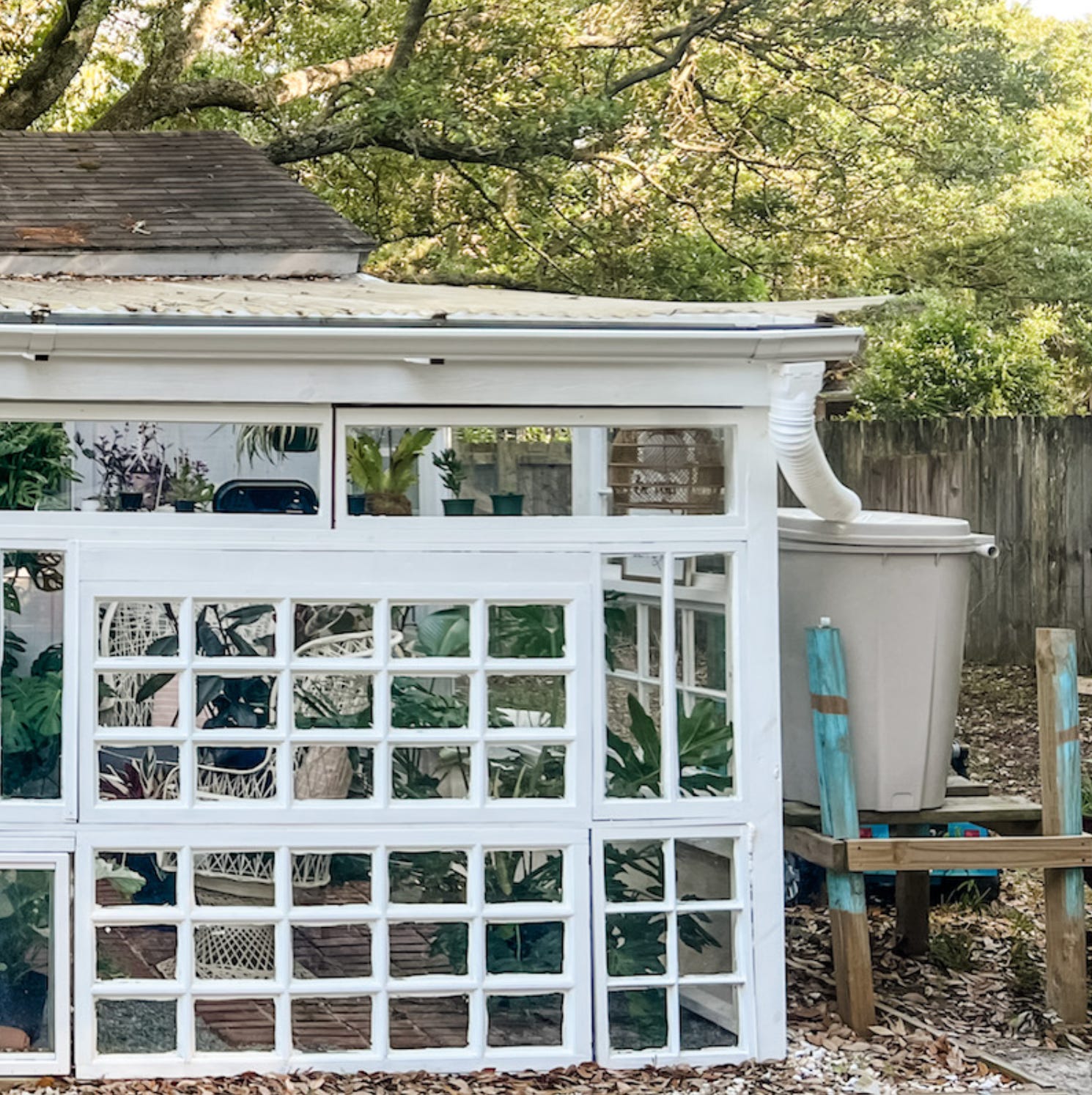
Install the rain barrel stand. Make sure everything is level and stable. Then, place the rain barrel on top of the stand.
Install the gutters on your greenhouse roof if they’re not already in place. Ensure that they slope slightly towards the downspout.
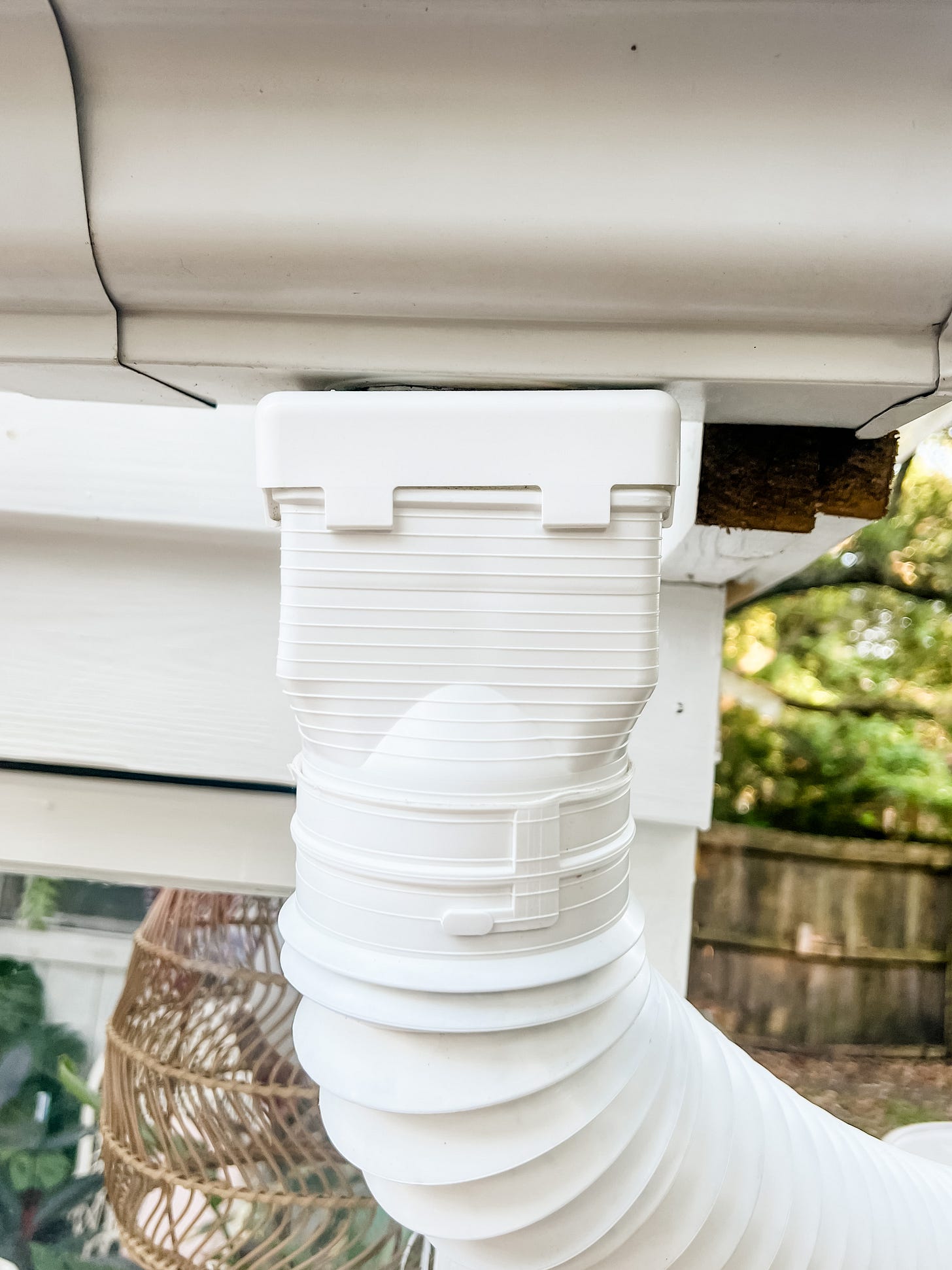
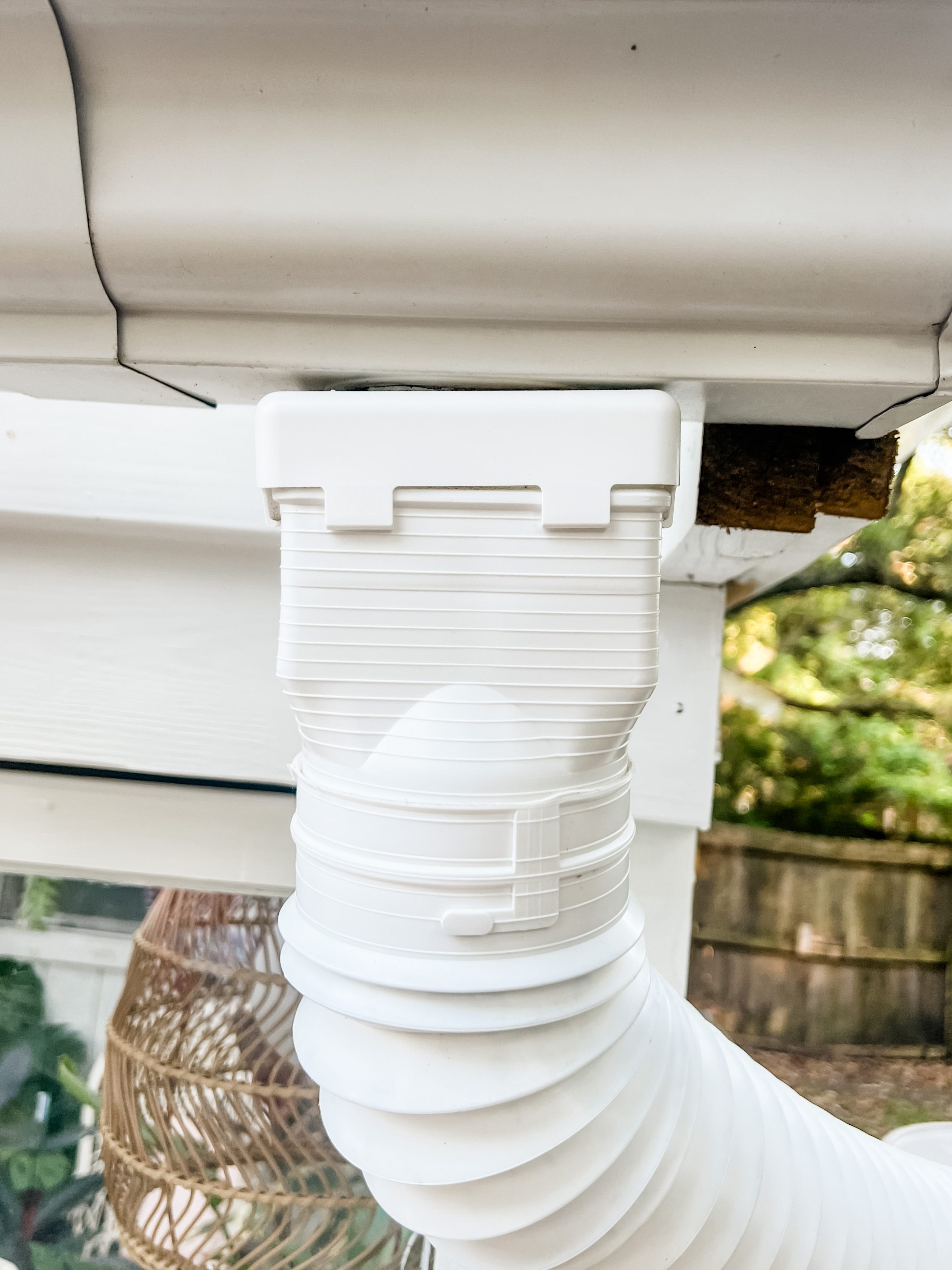
Attach the flexible gutter extension to the downspout. You’ll want the end of the gutter extension directly over the opening on the top of the rain barrel. Ainsworth screwed the gutter extension to the top of the rain barrel, so it stays in place.
Cut the hose to the desired length. This hose will run from the rain barrel to the inside of your greenhouse.
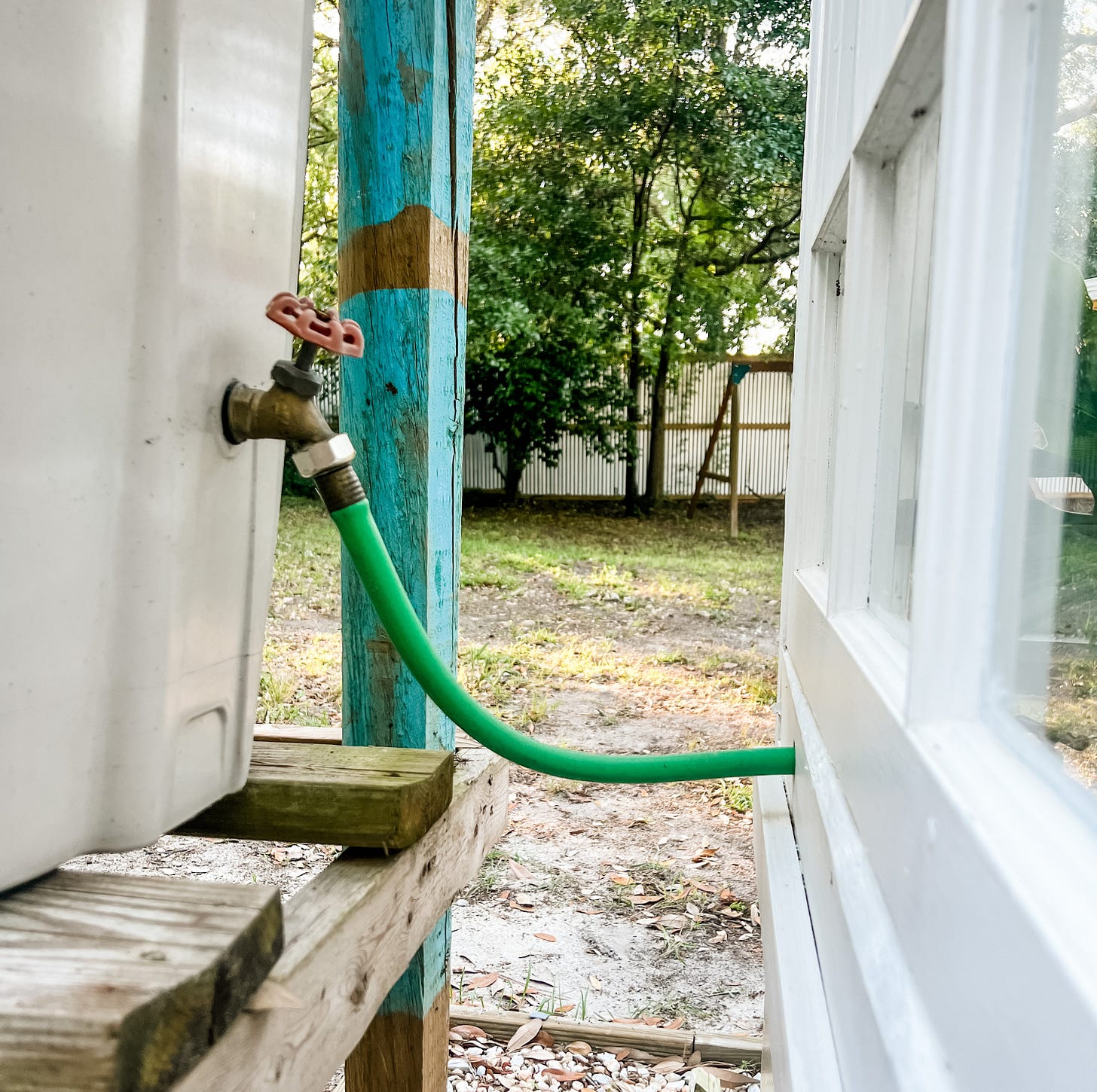
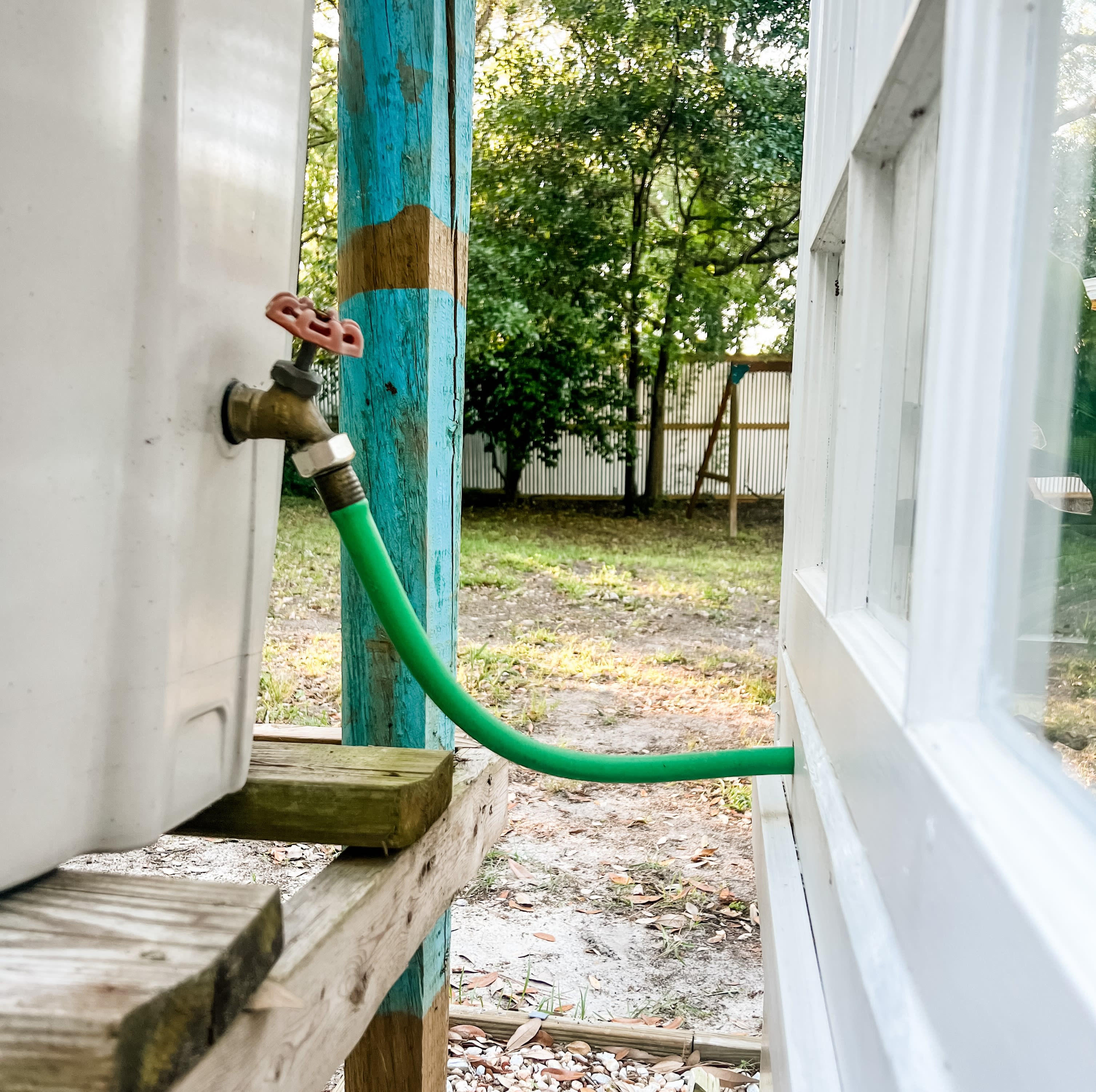
Drill a hole, the size of your hose, through your greenhouse, to run the hose through.
Thread the hose inside the greenhouse and attach the female hose adapter to the end of the hose.
Attach the spigot and tighten securely.
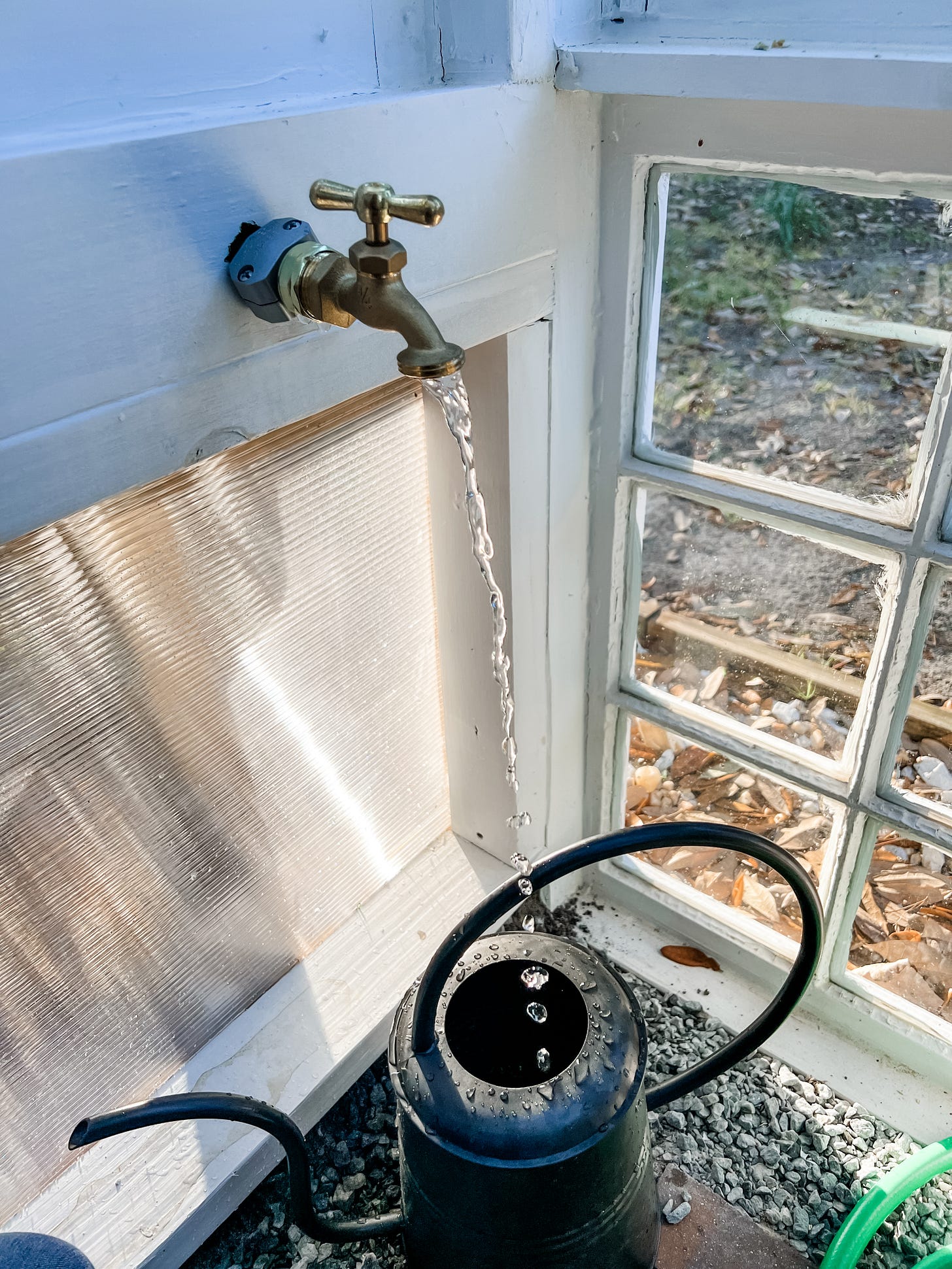
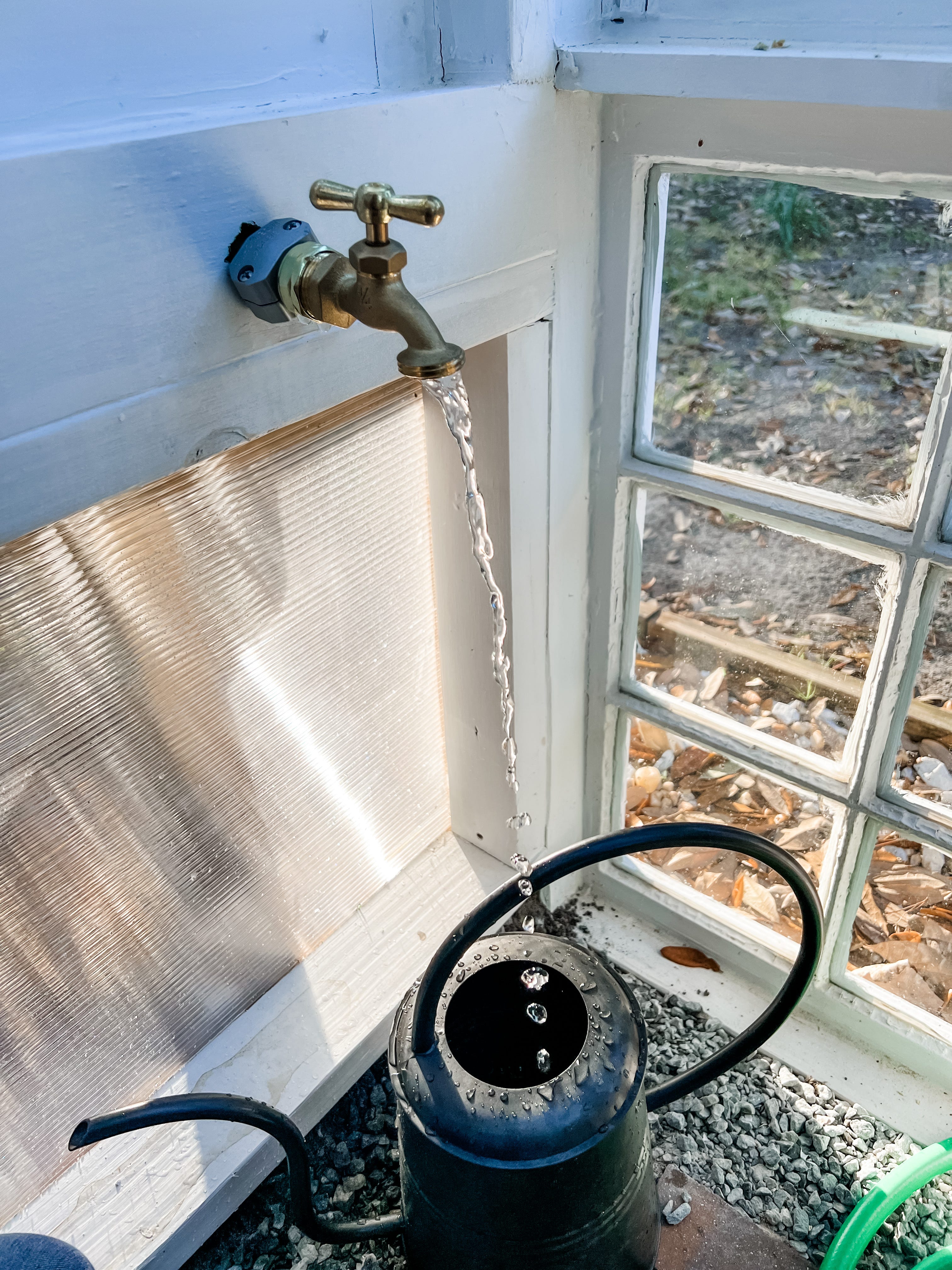
Finally, make sure your spigot is in the closed position before the rain barrel fills up. Once the barrel is full, open the spigot and use the rainwater water as needed!
Ahhh! The answer to my Dry desert climate here in Ojai! Thank you!