

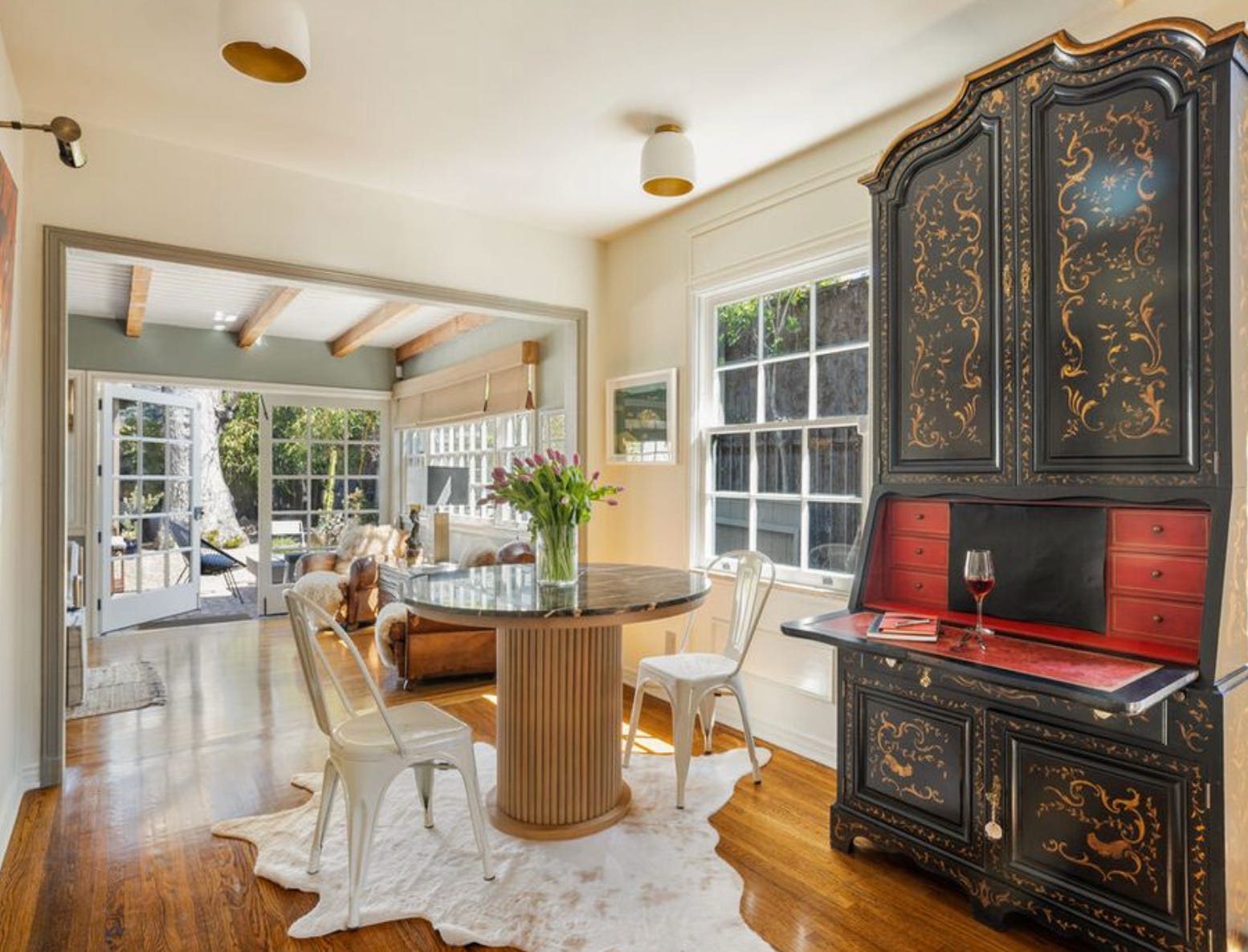
This stunning little house is one of the very few small Williams-designed residences I could find with interior photography. Located in Los Angeles’ Larchmont Village, the 1,200 square foot cottage interior has rustic accents and windows everywhere to let the sun shine in. Designed by Paul R. Williams in 1942.
If anyone has heard of Paul Revere Williams, they probably know him as the “architect to the stars.” Born in Los Angeles in 1894, Williams raised himself up from an orphan and foster child to one of the city’s most prolific and influential architects of the mid 20th century.
Despite being busy designing spectacular mansions in the richest zip codes of Southern California, Williams didn’t forget about the little people.
Williams renovated the Beverly Hills Hotel into its current form, with additions like the Polo Lounge, the Crescent Wing, and of course its unforgettable sign. He also designed other well-known hotels, churches, LA’s Superior Court building, and two major buildings on UCLA’s campus.
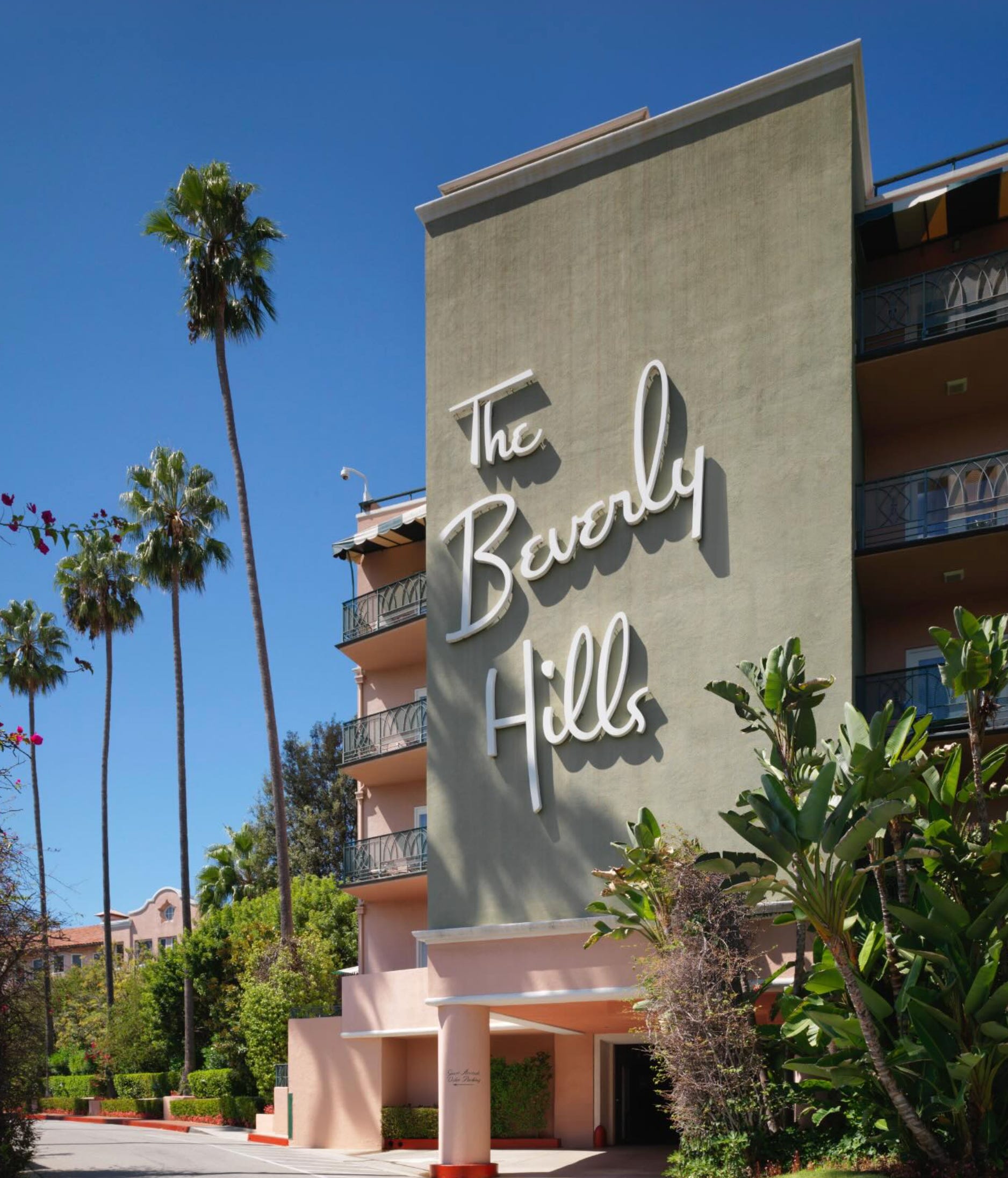
Most of the elements that define The Beverly Hills hotel—from its pink, green, and white palette to the Polo Lounge, the Crescent Wing, and the Palm Court Terrace—are Paul R. Williams’ designs. He renovated the 1912 landmark over many years in the 1940s.
The man was incredible. He was also the first black architect to be accepted into the prestigious AIA. He designed thousands of homes including many for the rich and famous like Frank Sinatra, Tyrone Power, and Lucille Ball, and Desi Arnaz. Williams saw opportunity with the wealthy movie industry people whose commissions would help him weather the Depression. These high-budget builds also let him design truly spectacular features and experiment on infusing classic design styles with modern lines.
His signature curved stairways blow the mind.
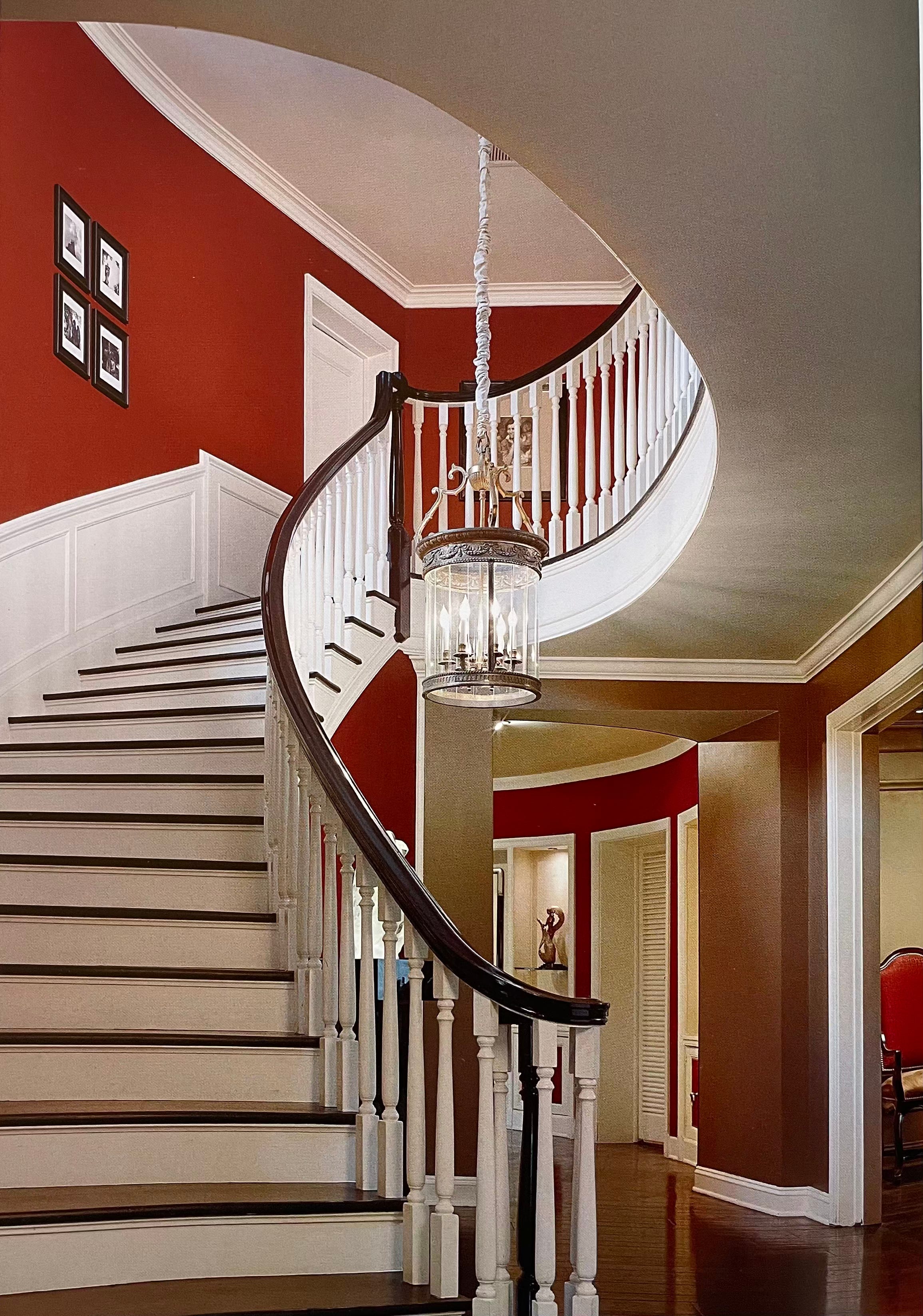
Williams is known for his graceful curved staircases. Photo: from Paul R. Williams Architect by Karen E. Hudson)
But amidst all of this glamour, Williams had a particular love for the small space. Despite being busy designing spectacular mansions in the richest zip codes of Southern California, Williams didn’t forget about the little people. He tapped his creative sensibilities to make dream homes for returning GIs, young working families, single people with limited budgets, and even for those struggling below the poverty line.
“A home of your own, built to your individual taste”
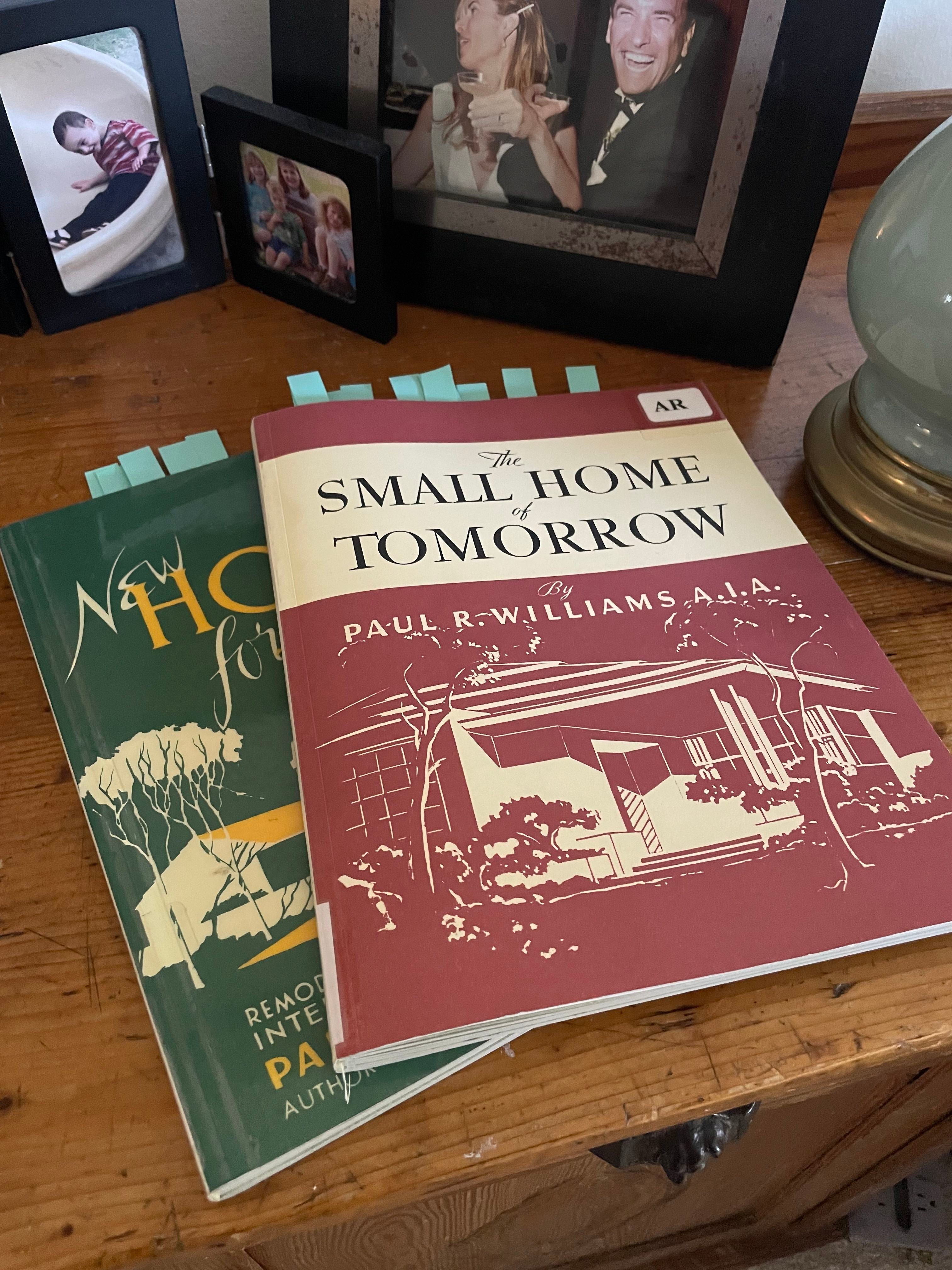
These hard-to-find books, New Homes for Today and The Small Home of Tomorrow, contain dozens of Williams’ distinct house plans, most of them under 2,000 square feet.
In my research I focused on the two plan books Williams published. These were meant to be guidebooks for anyone looking to build their first home from scratch. It isn’t likely that this was common practice, since it was cheaper to buy a tract home being built by large construction companies. Yet housing was desperately needed since GIs were returning and very little building had taken place during the war because of supply shortages.
Perhaps his books helped Williams secure contracts with builders such as Velma Grant, who developed a 250-home tract for returning black GIs and their families called Carver Manor.
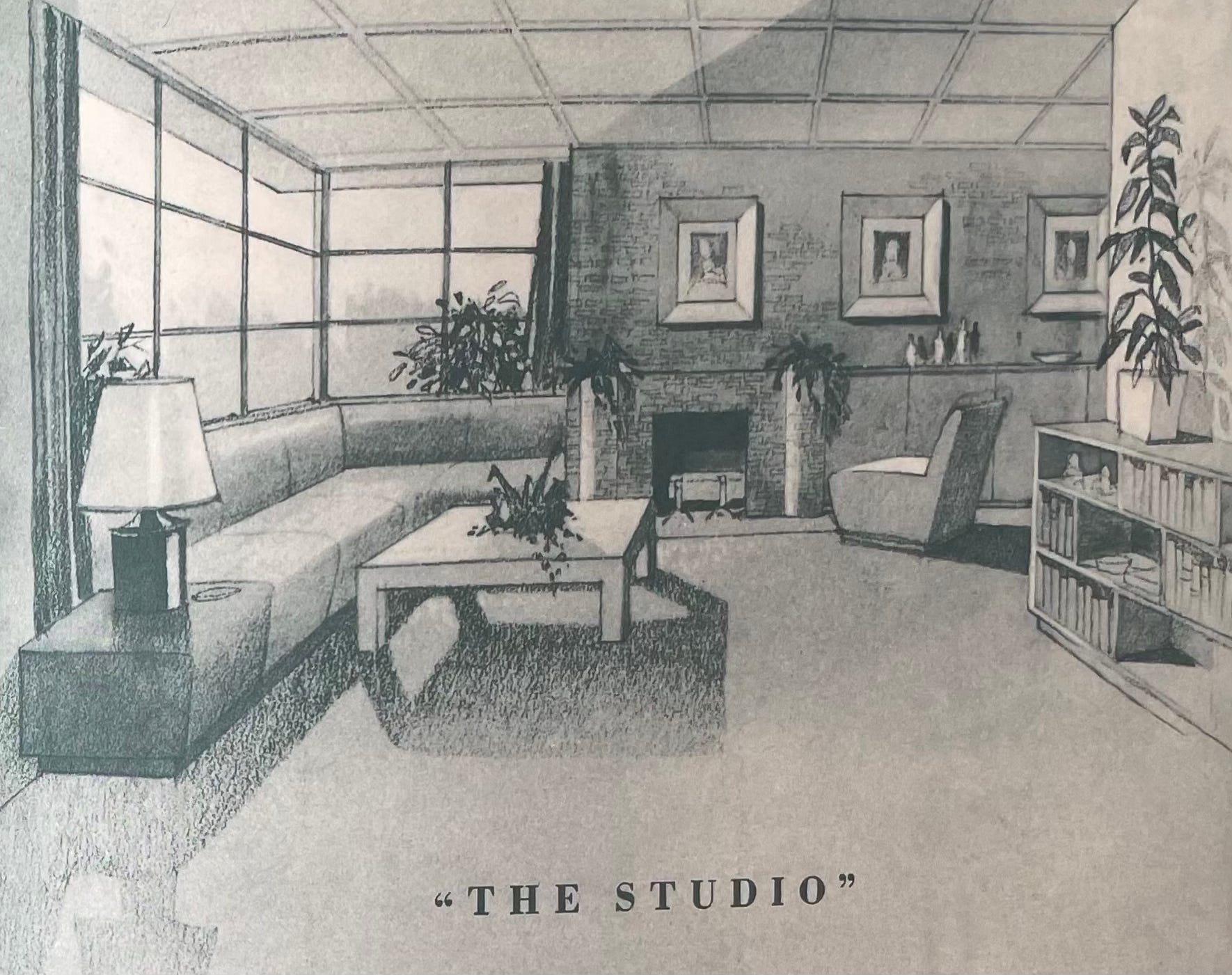
Williams’ 575-square-foot one-bedroom studio plan includes a spacious living room, dining room, and kitchen. Wraparound windows make it feel even more spacious. This is a foreshadowing of today’s booming ADU market. (Photo: New Homes for Today by Paul R. Williams)
Williams wanted to prove that small homes could be as well designed as they were cost effective. His suggestions for room placement, privacy enhancement, layout, space organization, and technological innovation show a profound sensitivity to human comfort and ease.
Here are some of the components of small space living advocated by Williams and still very relevant today.
Rooms with views, dressing alcoves, and more
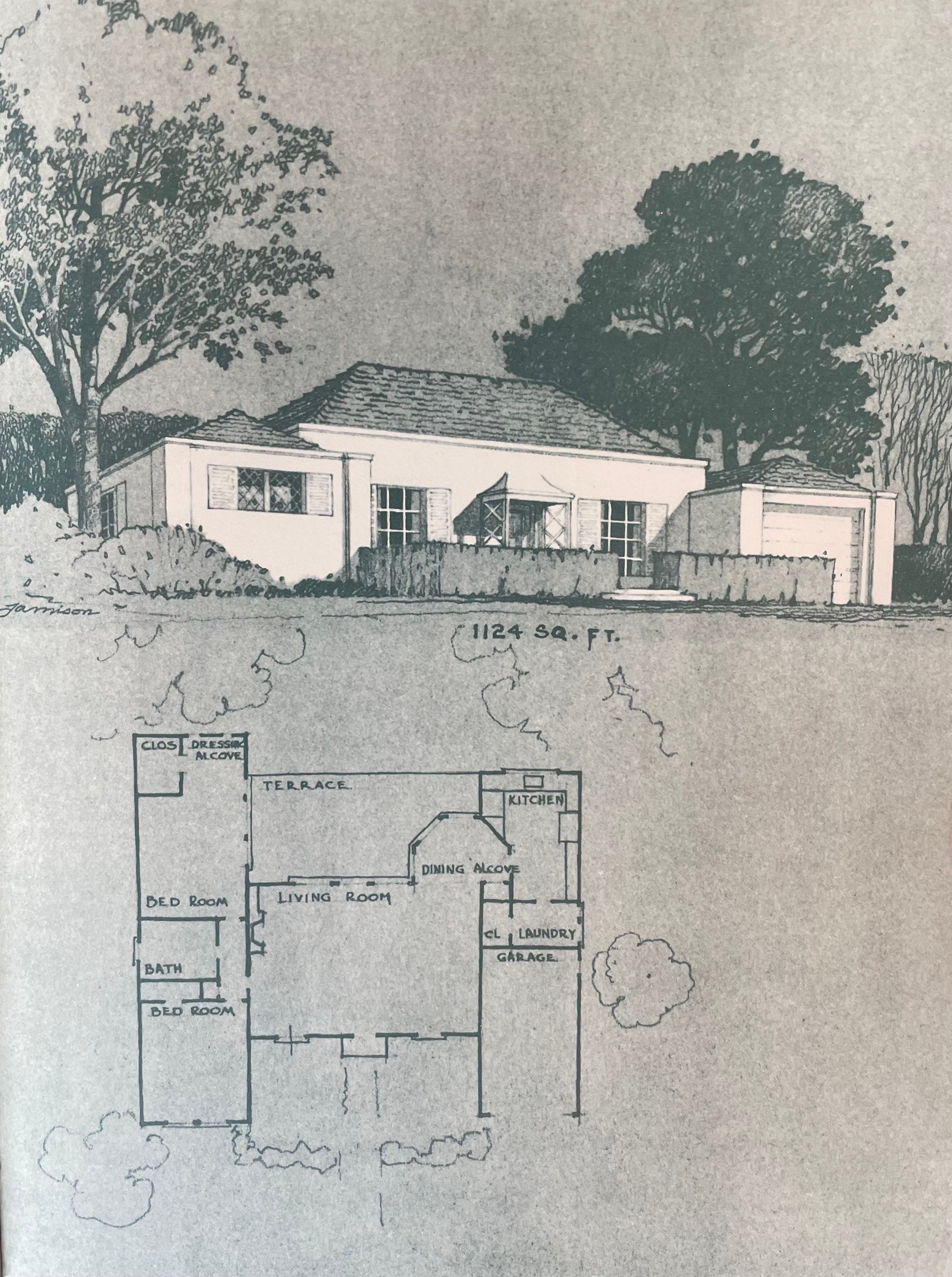
The Regency. Shangri-La Cottage. The Devonshire. Williams gave grand names to each of his plans, suggesting a lifestyle of style and prosperity with a whiff of the Old World or the exotic. The Regency plan, shown above, is distinguished by a broken roof line. The center is deliberately set back; its hipped roof is duplicated on the bedroom wing on the left and the garage on the right. A nice extra design touch are molded corner columns.
Note the dressing alcove on the top left. Williams is a fan of the alcove and this one is made simply by creating a small area between closet and wall without any windows. This wall “may be mirrored,” he advises.
Yet another alcove for dining is situated on the right and shaped like a bay window. The object was to make full use of the 1,124 square feet and allow terrace views from three of the five rooms.
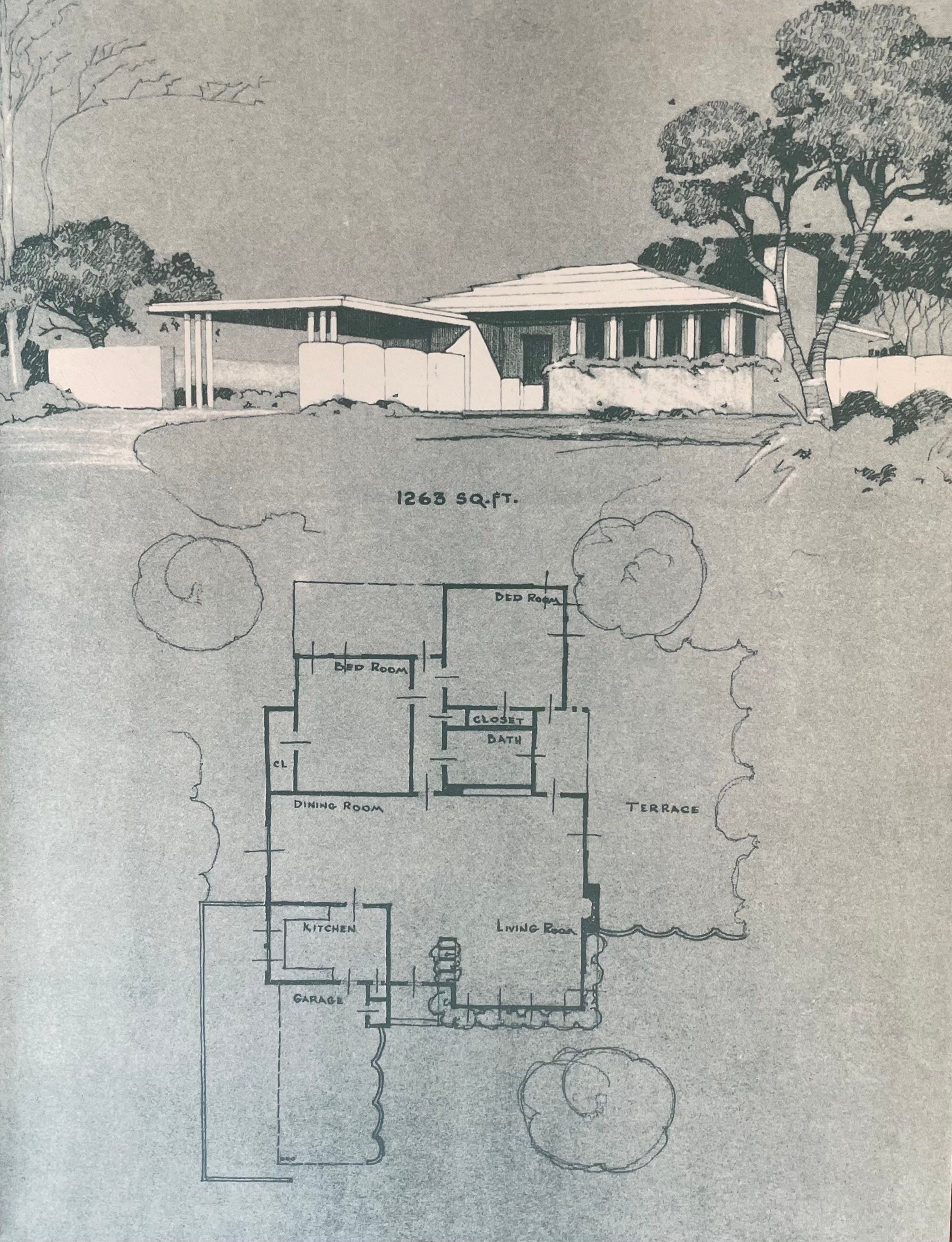
In the Shangri-La Cottage you’ll recognize many design elements that are common today: a carport with direct entry in the kitchen; open floor plan in the living/dining area; and bedrooms tucked way in the back for privacy. (Photo: The Small Home of Tomorrow by Paul R. Williams)
The 1940s suburban house was a hub for dinner parties, card parties, cocktail parties, and teenage dance parties. Williams infused many features in his home designs to make them entertainment-friendly. The Shangri-La Cottage shown here is a 2-bedroom, 1-bathroom home of just 1,263 square feet … but notice how large the living space is. Williams combined living room and dining room, creating zones and alcoves for “conversational groups.”
He points out a half-wall in the center and to the right of the entryway. It has a “lower section for coats or card tables” and forms a “suggestion of a formal entrance hall which screens the living room.” Next time you’re in a 1940s or 1950s home in its original condition, you will probably notice how popular these faux entryways became.
The end of front-porch living
One of the more unfortunate trends of post-World War Two housing design was the inversion of outdoor living from front yard to back yard. Williams and his colleagues noted that homebuyers wanted their privacy above all. The back yard became a place to eat, entertain friends, and maybe even have a small pool. So the garage behind the house came out front, and the front porch and sleeping porch faded away.
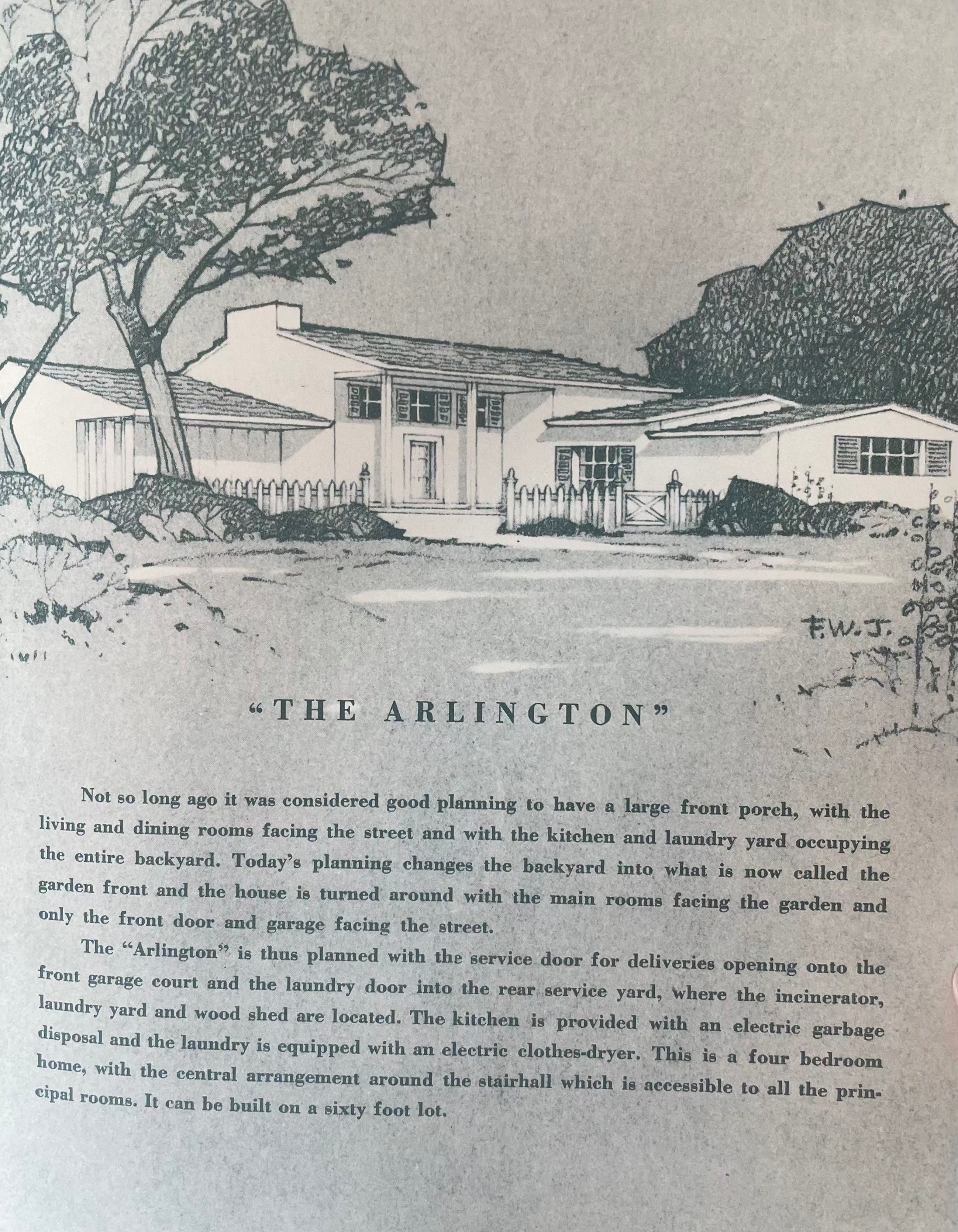
“Today’s planning changes the backyard into what is now called a garden front and the house is turned around … with only the front door and garage facing the street.” (Photo: New Homes for Today by Paul R. Williams)
This transformation, while detrimental to the social fabric of a neighborhood, did have its advantages. Nearly every plan in each of these books emphasizes a terrace, garden, or backyard view. Another advantage besides it being quieter and more private, the additional window space allotted means that these small homes appear larger as they encompass the additional square footage of the outdoors.
Built-ins and the future of storage
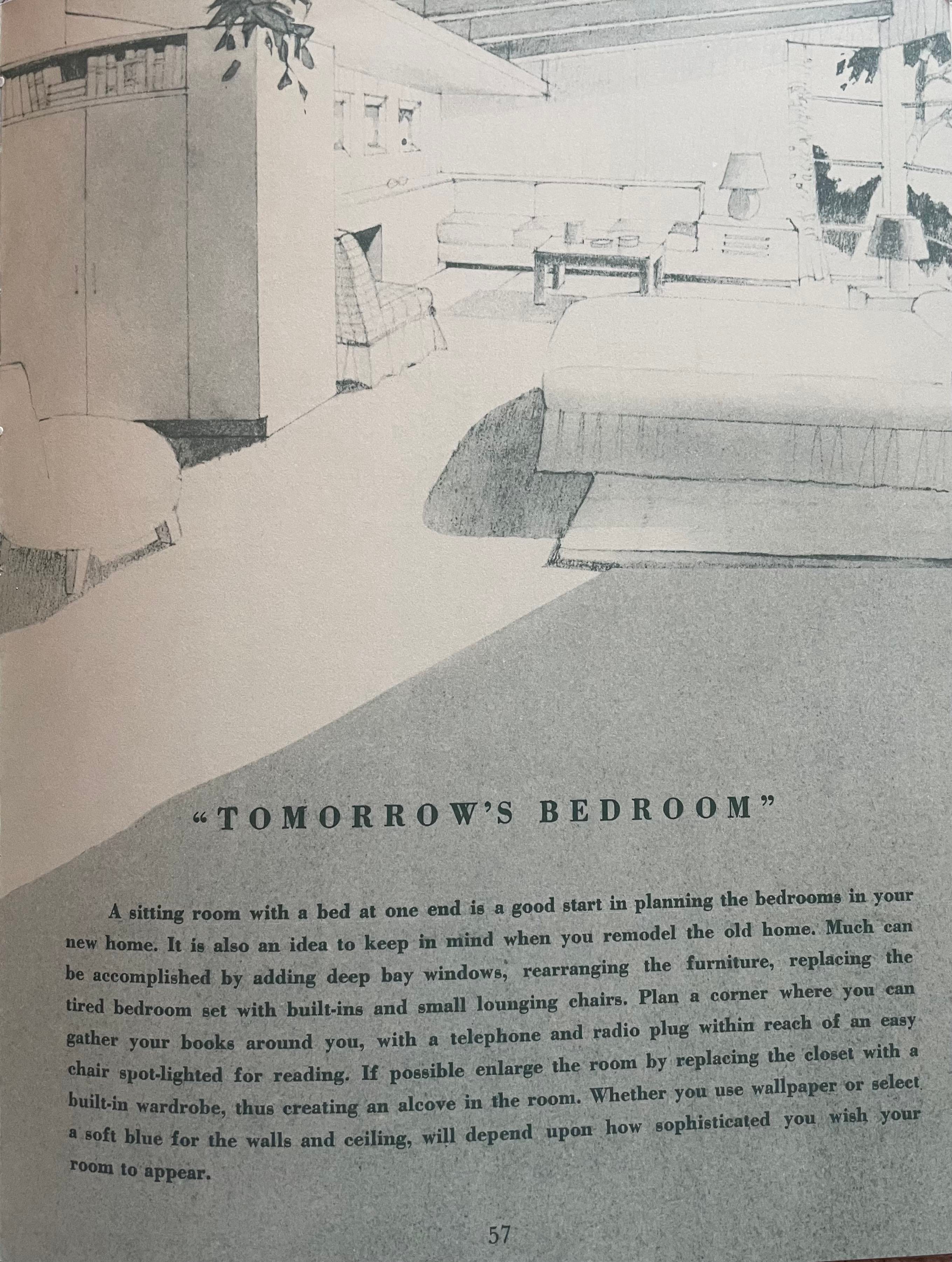
In this concept of “tomorrow’s bedroom” Williams recommends creating a sitting room by making the most of the space, from bay windows to better furniture arranging. (Photo: New Homes for Today by Paul R. Williams)
Within both of these books are plenty of interior design advice for the bedroom, kitchen, bathroom, “leisure room,” and play room. Williams includes suggestions for wall color, wallpaper, flooring, and furniture. In this bedroom design, Williams argues that replacing a “tired bedroom set” with built-ins will open it up. Note the sofa that is built in against the far wall, along with a lamp table and display shelf.
Another clever element is the bank of closet “wardrobes” that project perpendicularly into the room (with bookshelves on top). Williams says that by replacing a standard closet with this configuration, you can both enlarge the room and create … yes, the coveted alcove on both left and right.
Williams did not like the traditional closets that were rectangular in shape, like mini rooms. He noted in one of his designs that “the whole theory of storage space has changed from the dark closet age to the precision designed reach-in type of wardrobe with transparent plastic trays so you can see at a glance what they contain.”
He is referring to the wide and shallow closets that most of us have now in our homes. Honestly, I prefer the older form of closets but I do see that these modern versions are more space efficient. And, if outfitted with the ingenious space-age plastic trays he mentions, I’m sure I would be an eager convert.
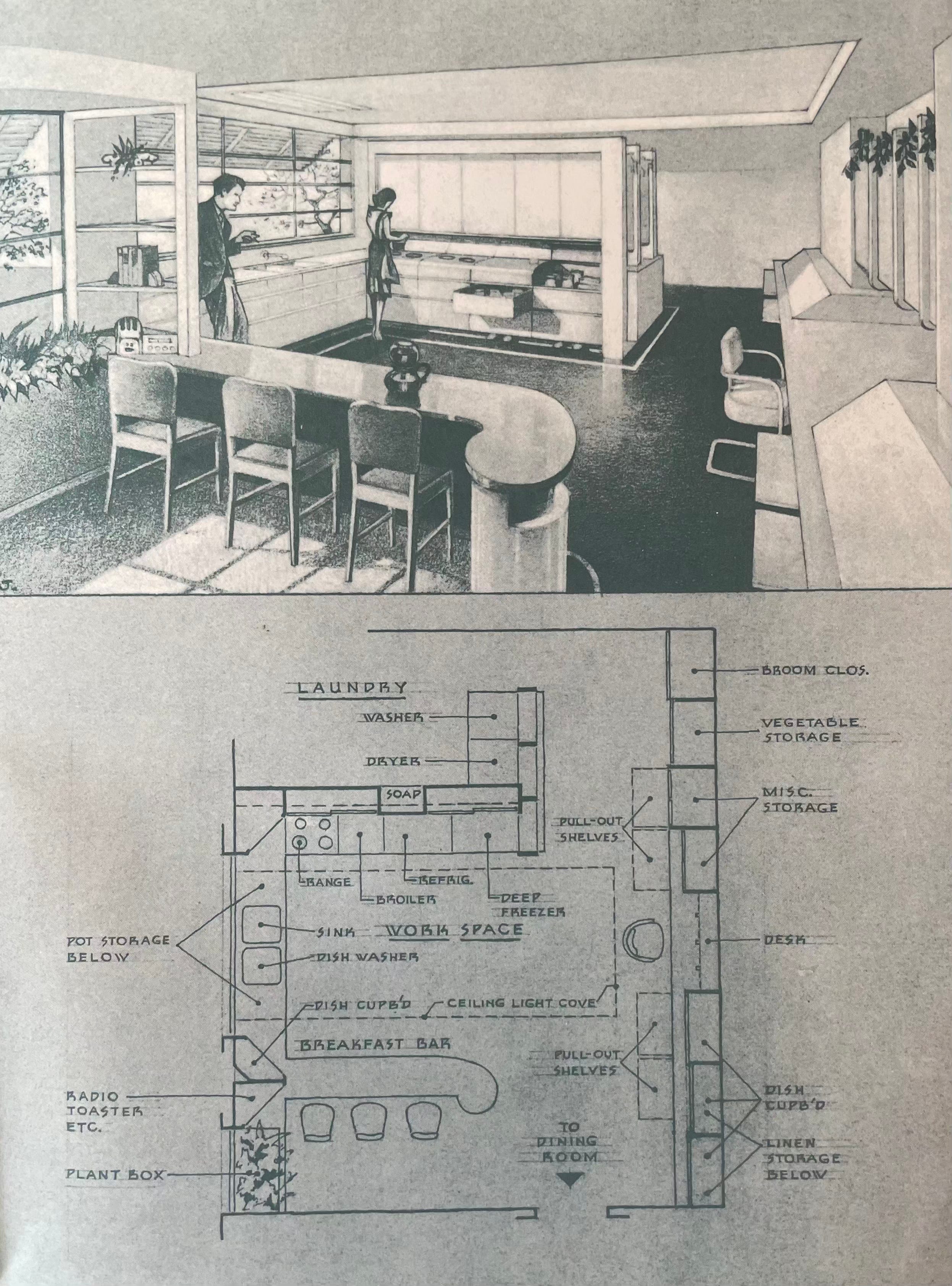
This is a seriously modern kitchen for 1945! It’s hard to believe that Williams designed so many innovations. I mean, refrigerator and freezer drawers? Note also the built-in desk, breakfast bar, ceiling light cove, and pullout shelves. (Photo: The Small Home of Tomorrow by Paul R. Williams)
Giving dignity and glamour to the small space
Typically we look ahead when determining the modern ways we can maximize our living space. What are the trends, what are we seeing at design shows and in the media? What I learned from digging into the remarkable life and work of Paul R. Williams is that sometimes we can discover something just as valuable, or even more so, from the past.
Williams was one of those visionaries whose design principles have stood the test of time.
This was a fascinating read! I had no idea how impactful he was to modern day home design. I especially love that he prioritized entertaining in his small home designs.
I knew nothing about Paul R. Williams before reading this fascinating piece. I learned a lot about his vision and architectural trends in the 40's and 50's. Appreciate the content and the easy-flow writing. Thanks!