

I must start by saying my poultry knowledge is scant. In fact, that’s how my recent epiphany occurred.
As part of a separate writing project, I needed to learn more about raising heritage hens and roosters. This quick education in feather patterns, shapes, and colors opened my eyes to the extraordinary beauty of cultivated chicken breeds. My revelation led me to the idea of designing interior spaces using color combinations built by nature and curated by humans.
Are you ready for a most unconventional way to bring your rooms to life? Let’s cross the road and get started.
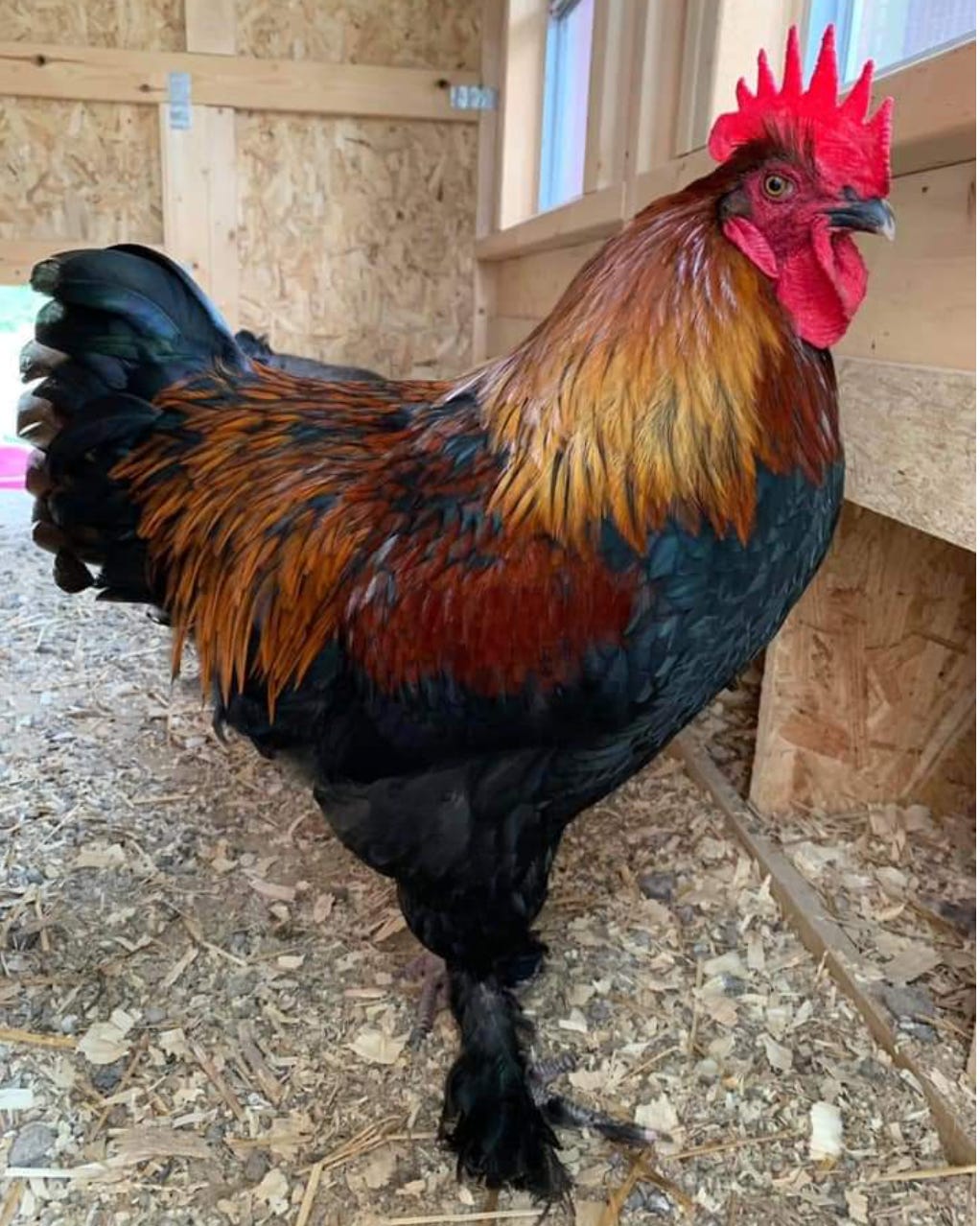
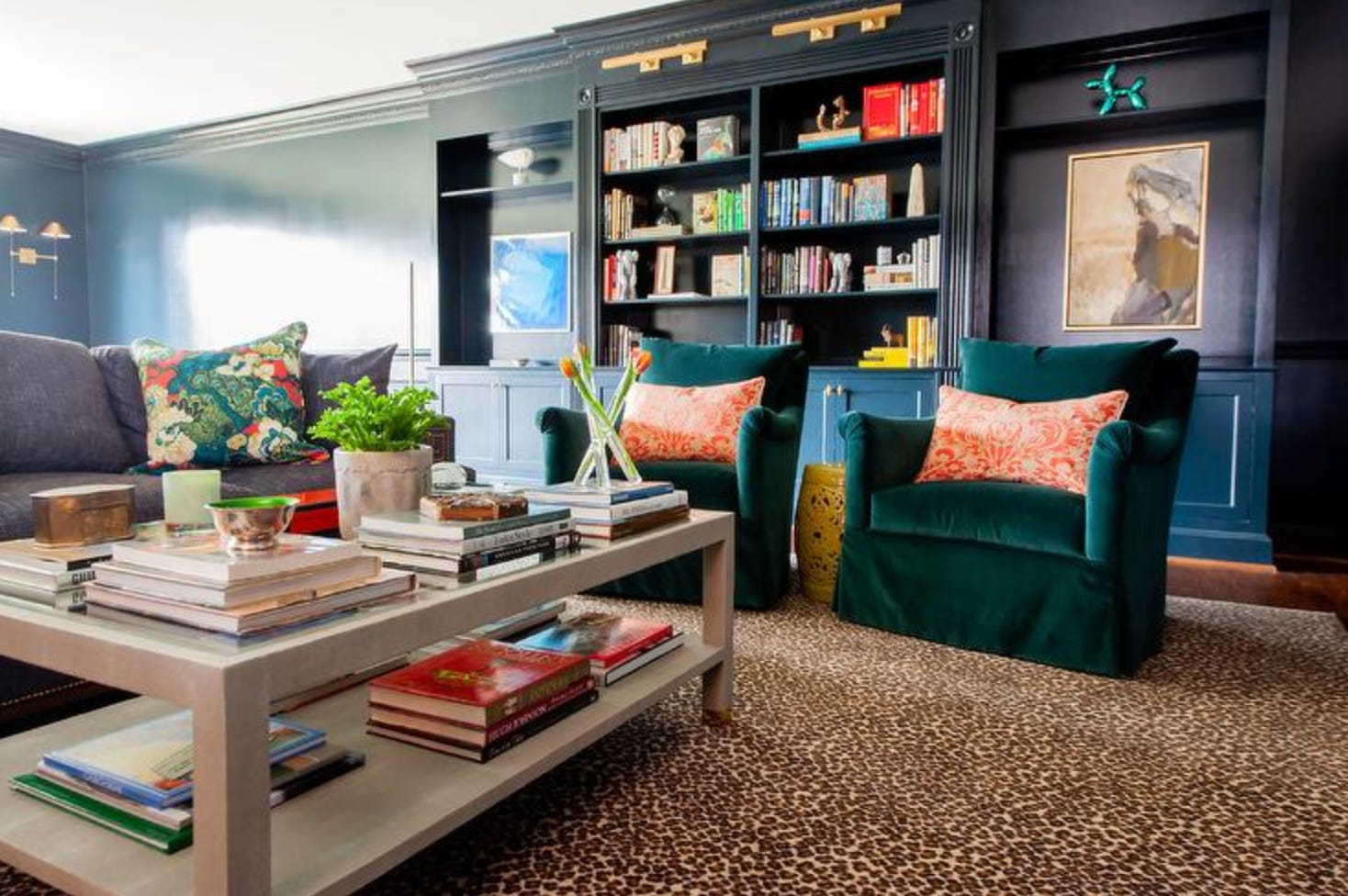
A French Black Copper Maran rooster provides the inspiration for this room. (Photo: Decor Pad)
Cocks, combs, and maximum color
You know those roosters you see depicted everywhere in gift shops and vintage-style kitchens? They are probably based on the Welsummer breed. Or a Rhode Island Red. Or maybe a Blue Partridge Cochin. (Yes, I’m showing off my newly acquired knowledge of chicken breeds.) The result is a stunning mix of deep orange-red on the upper body, green-gray on the breast, blue-green pluming tail feathers, and bright red comb and wattle.
You don’t need to cover your walls with rooster paintings to adopt this palette. Instead, study the colors and work them into your room with paint, textiles, rugs, and accessories. The living room above is not a perfect match, but the pillow, rug, and book covers do evoke this handsome bird’s head and neck colors. Besides, perfect is not the point.
Black and white with a cherry on top
Many chicken breeds produce birds with interesting black and white combinations. The Silver Laced Orpington is among the most striking. The silver in its name comes from the subtle areas where white and black merge. Note the deep, lustrous black area beneath the wing. Both color and pattern suggest an eclectic composition to me. And there’s no better accent in this combination than a touch of red.
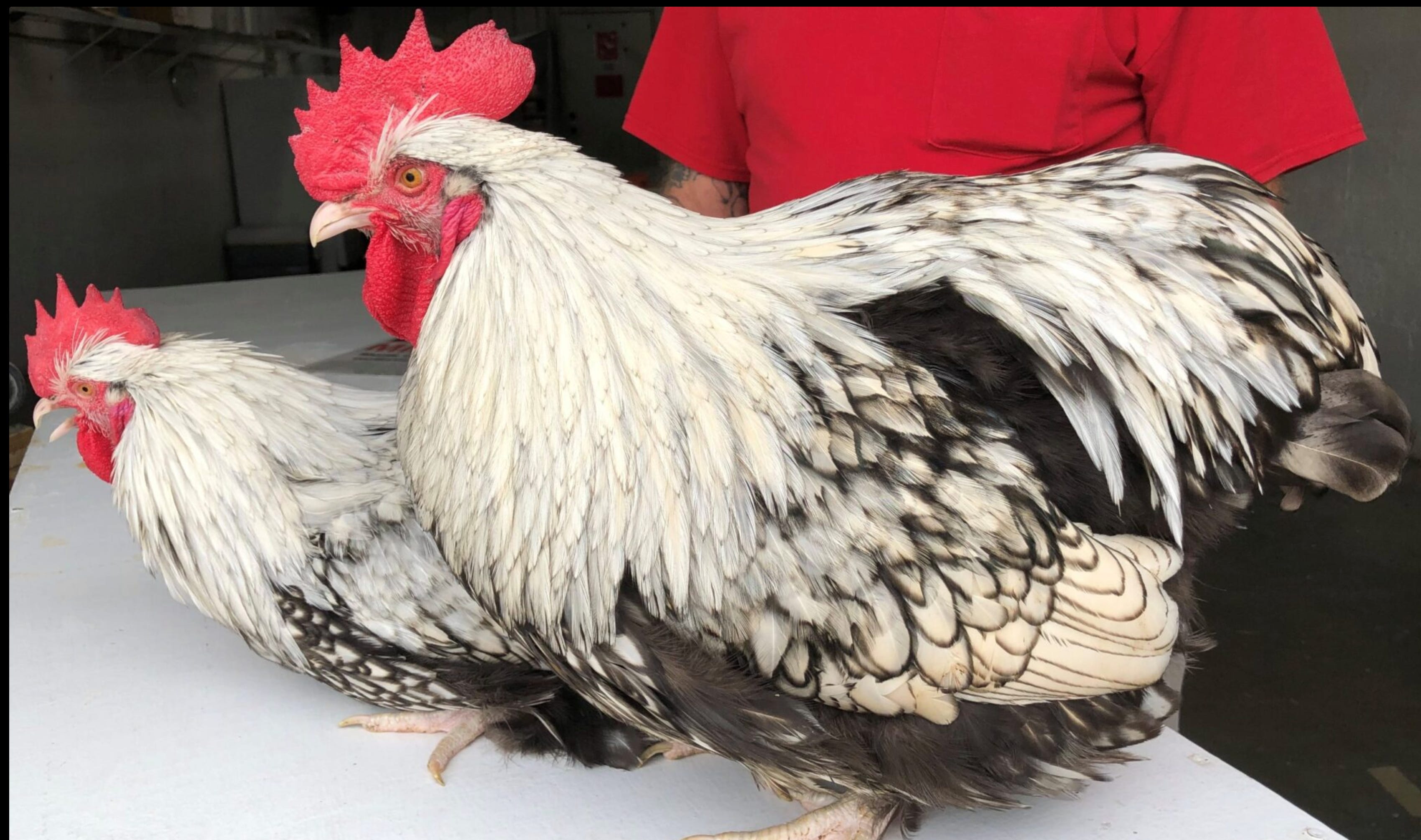
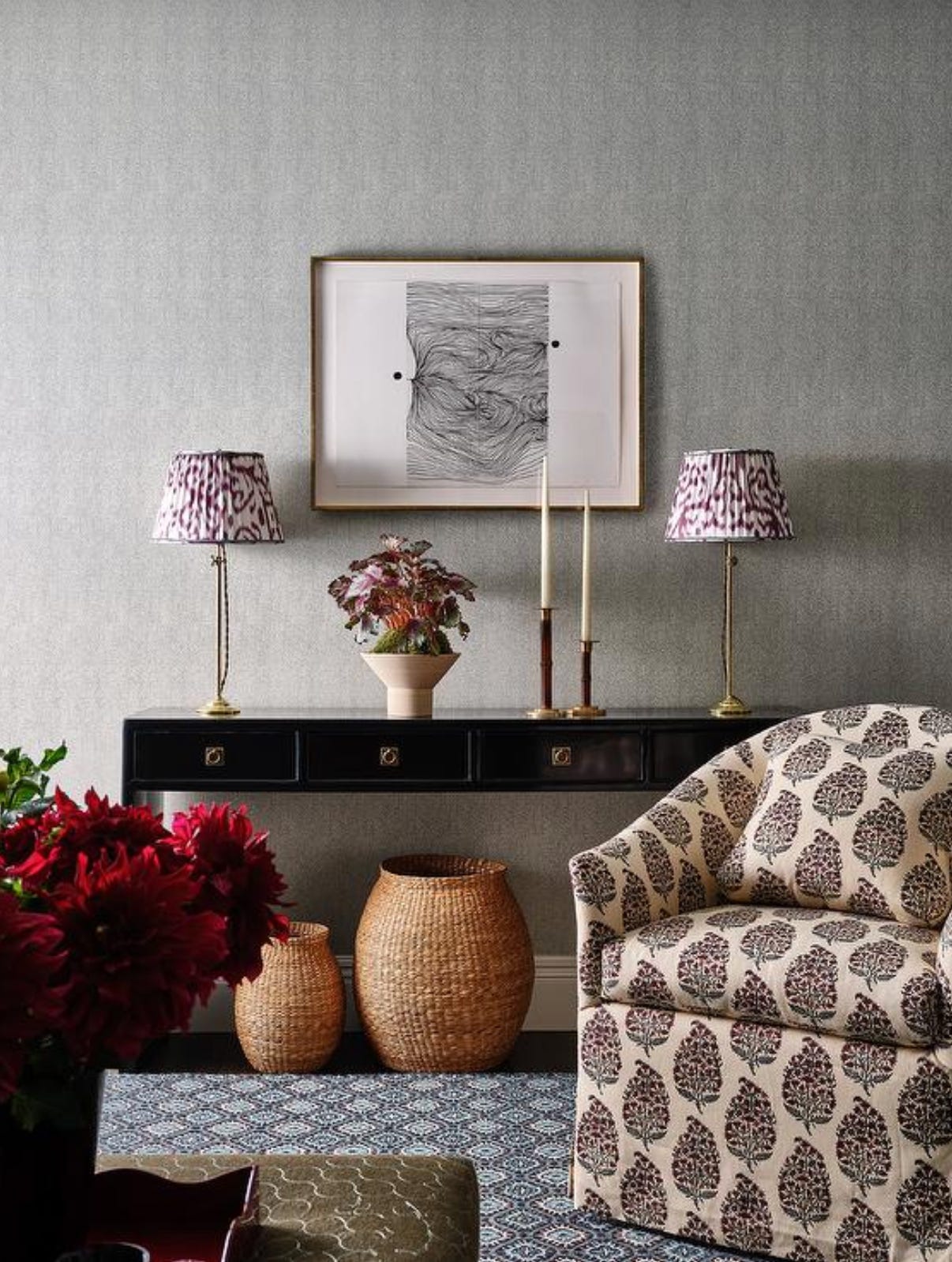
The Silver Laced Orpington hen is graced with various patterns of black, white, and silver feathers that are almost ombre. There is a lot to look at, yet it’s all harmonious. This sitting area blends soft and hard surfaces with these same patterns to pleasing effect. (Photo: Decor Pad)
The Barred Plymouth Rock, on the other hand, is evenly striped all over its body. It’s such a fun, modern aesthetic! I love the ruffly texture of this hen’s tail feathers. It’s not a far stretch to compare it with textiles, rugs, or window treatments. But how to use it in a room?
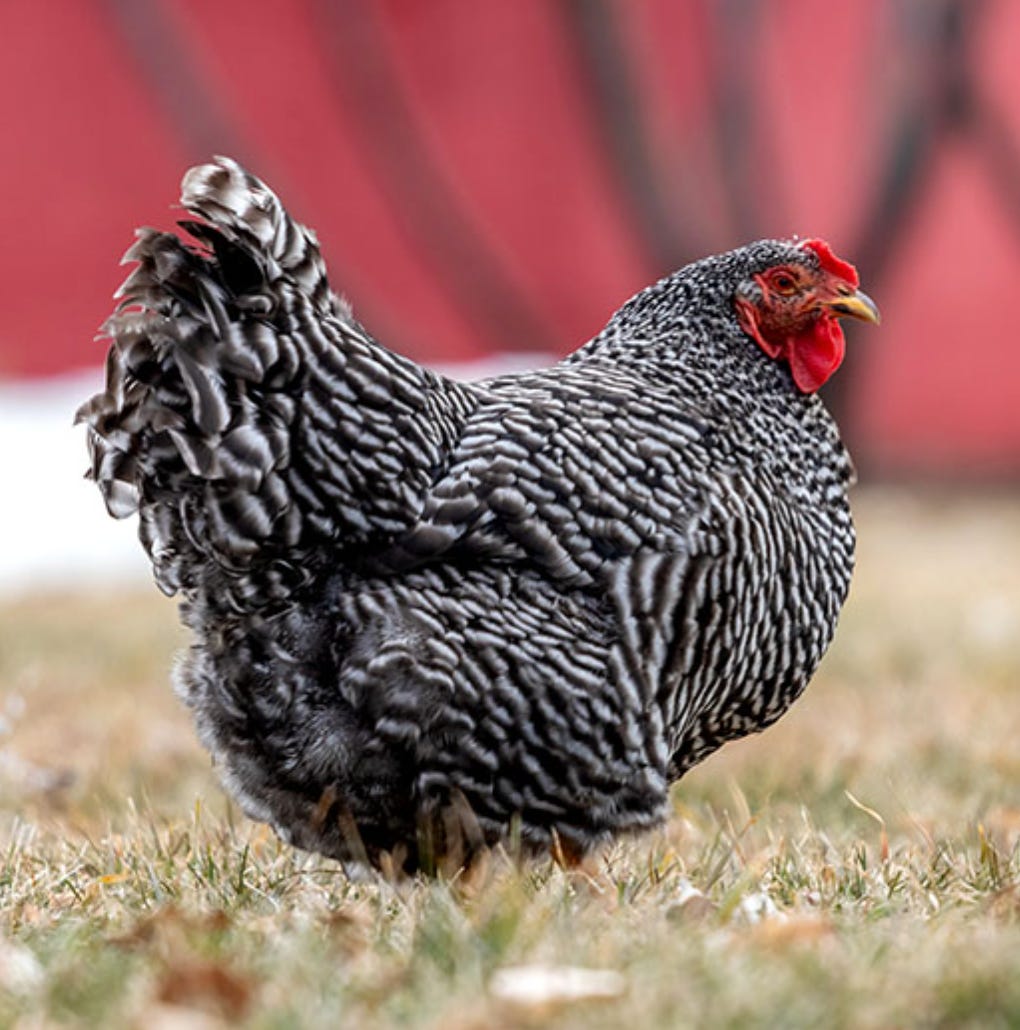
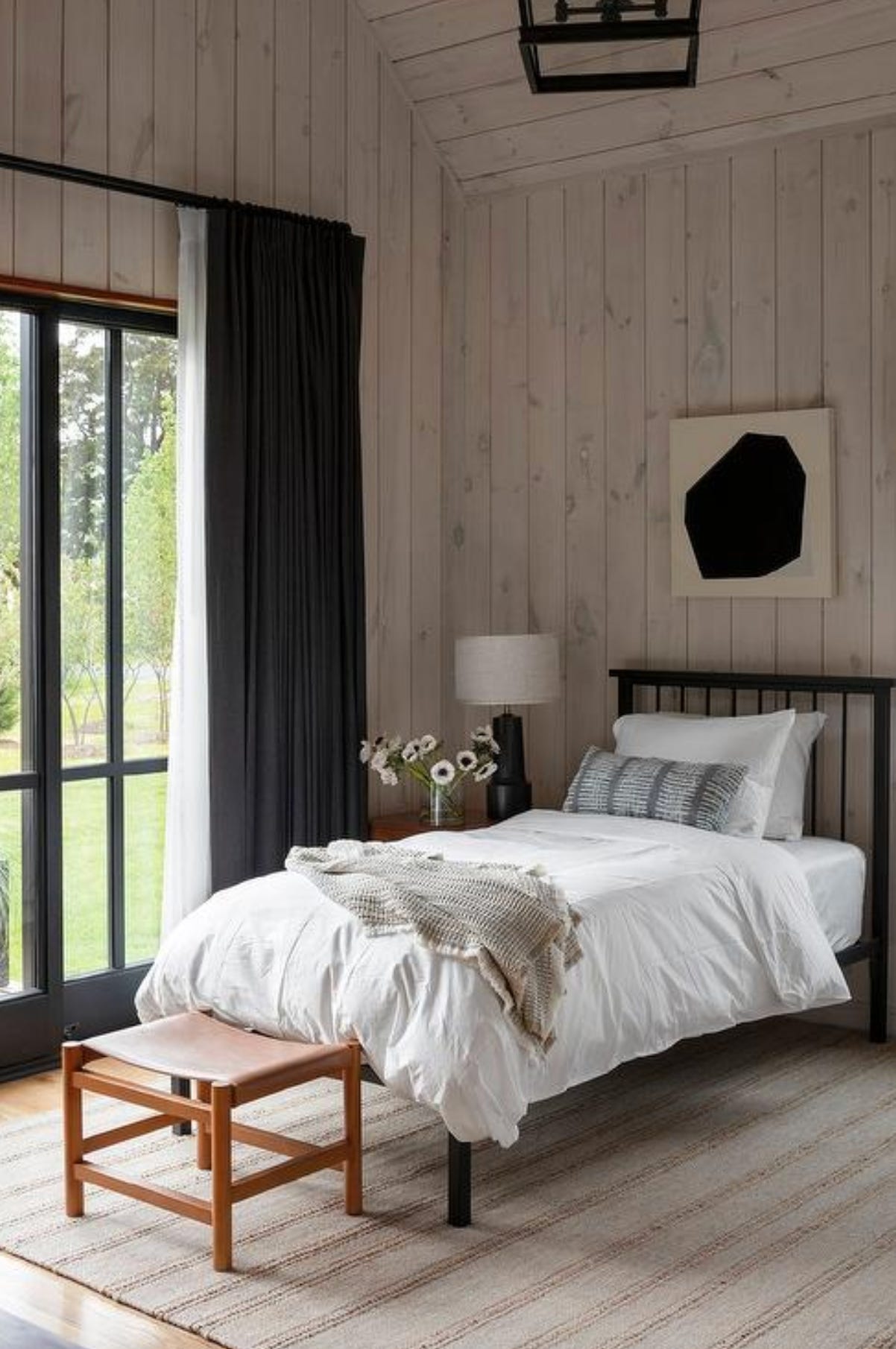
Disciplined lines in the bed and rug follow the Barred Plymouth Rock’s feather patterns. I like the soft touches of the white gerbera daisies and the fringed throw. (Photo: Decor Pad)
And wait, is that an abstract egg painting above the headboard?
The golden girl
When I laid eyes on a Golden-Laced Wyandotte, I got this close to ordering a coop and some scratch. With its brilliant orange-gold feathers traced with inky black, this breed is one of the prettiest I’ve studied. There are other colors in the breed such as buff, black, and silver but I love the glow and depth of this one. Wow.
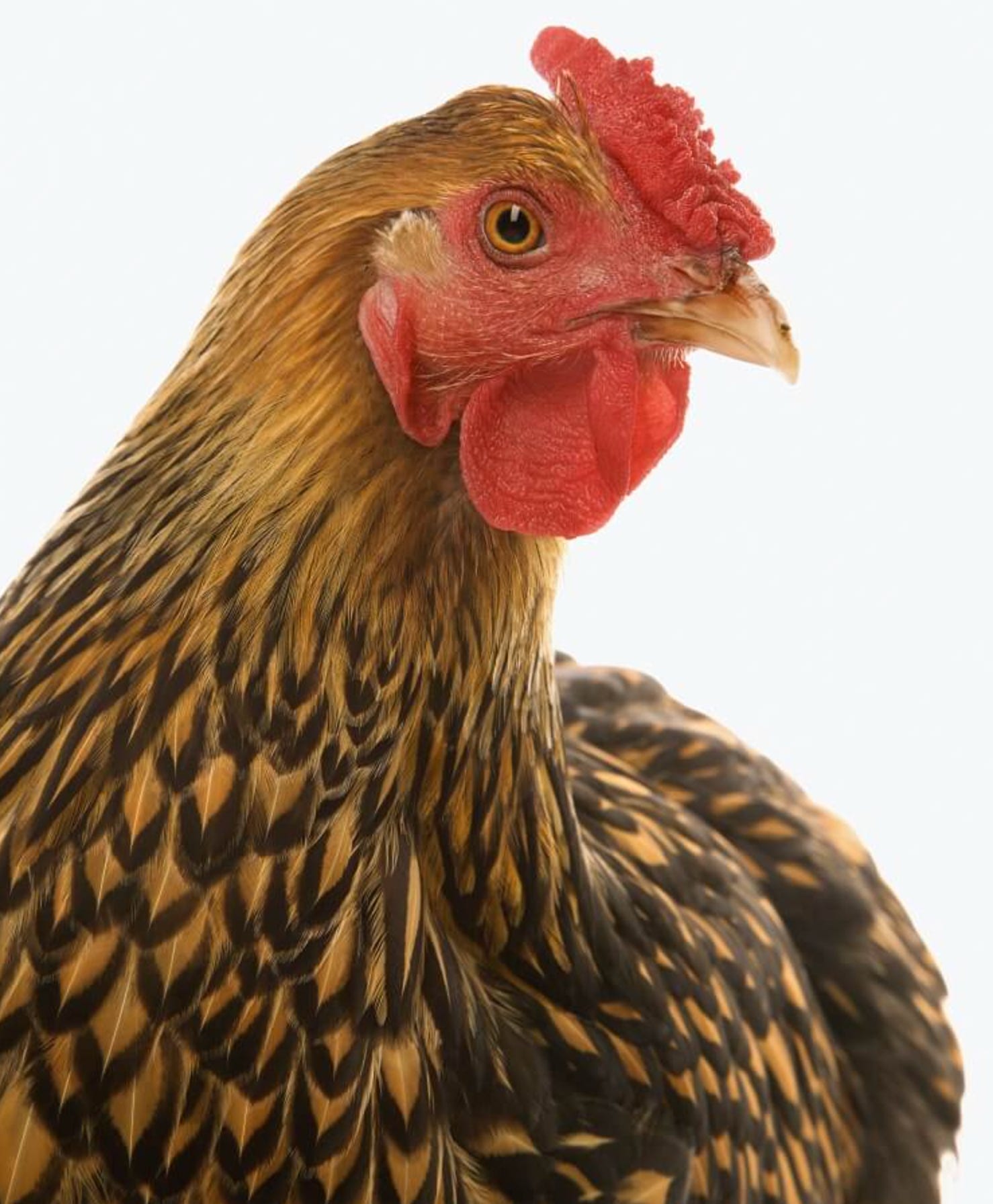
Meet the Golden-Laced Wyandotte, a genial forager who enjoys walks at sunset and synthwave music.
This is not really a black-and-tan palette; the coloring of the gold feathers goes way beyond tan. You almost need to go really gold or soft on the orange to capture it. Here is what I came up with.
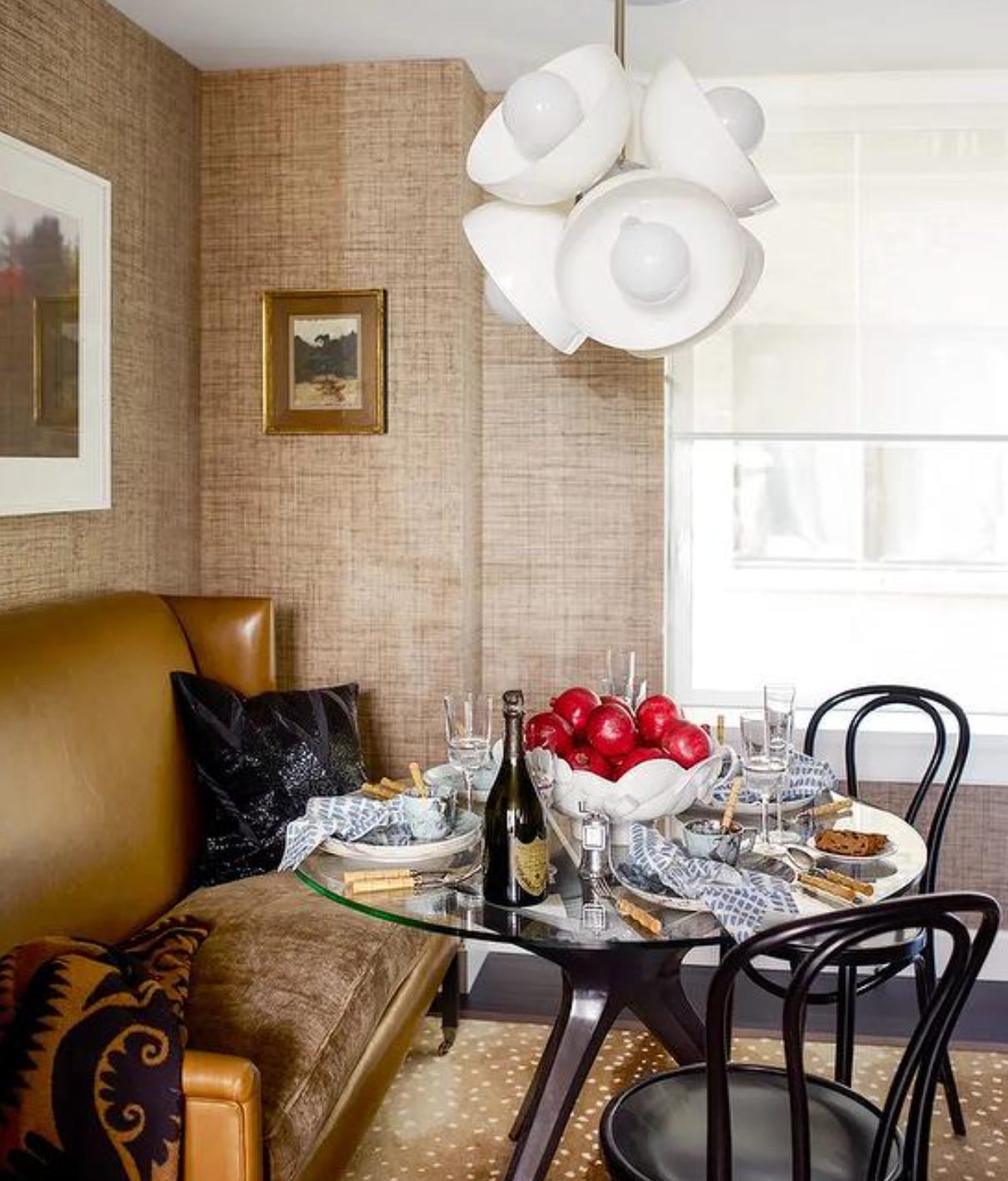
A bit of burnished gold in the leather bench and picture frame capture the tones of the Golden-Laced Wyandotte in this handsome nook. (Photo: Decor Pad)
You say blue, I say gray
Another thing I learned in my chicken studies is that very often a breed that’s considered “blue” (Blue Cochin, Blue-Laced Wyandotte, etc.) register to the human eye as gray. Or at least, to my eye. The manner in which genes disperse to create the lacing (black outlines) on feathers is pretty incredible and reminds us how truly miraculous the natural world is.
This gorgeous Blue Cochin breed presents a fluffy panoply of feathers that translate beautifully into an interior. Whether you lean more blue-gray or stick to slate-gray you can capture the mystery of this handsome hen. Try layers that are tone-on-tone but punctuated with some heft (note the lamp base and pillows).
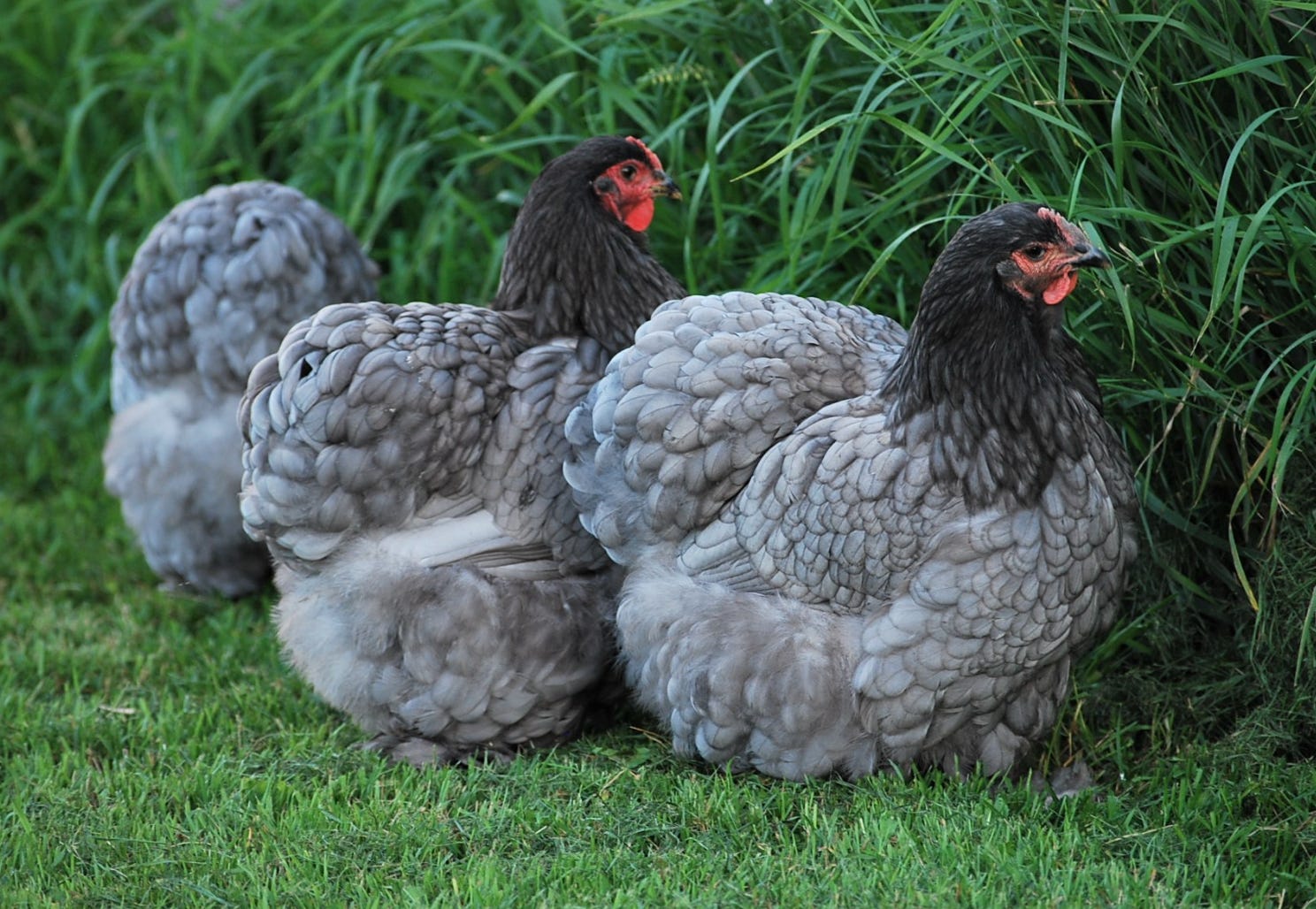
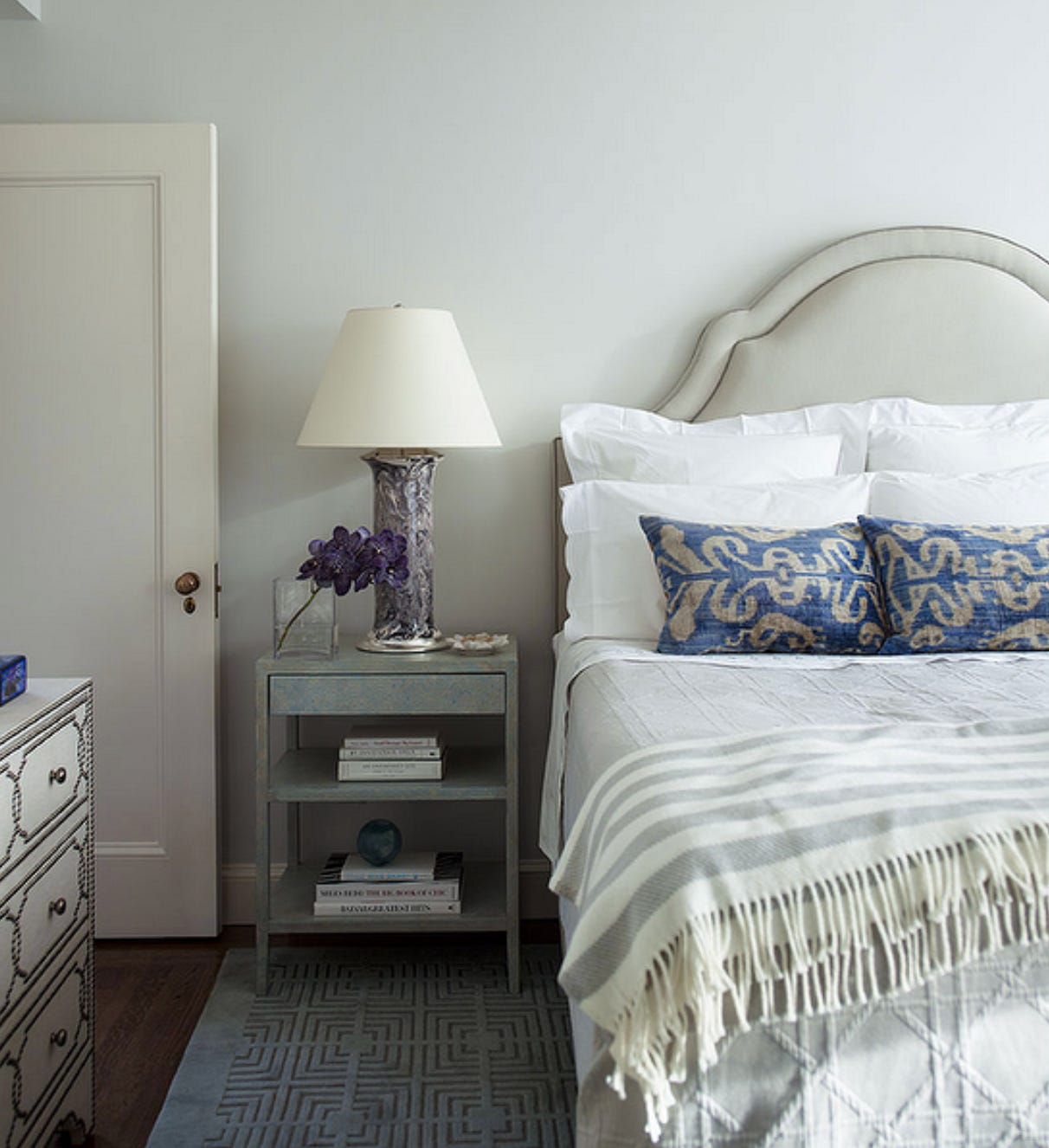
This serene room appears a bit washed-out when compared to the brilliance of the Blue Cochin hens but it does show how well grays and blues play together if there is enough contrast. (Photo: Decor Pad)
Following nature is always the right answer
It’s not the only answer but it’s a solid one (see The Arts and Crafts Movement). Using colors and patterns inspired by nature is a guideline that will not lead you astray. I hope after reading this you’ll see that the color palettes of chickens are sometimes dramatic and unexpected.
One such example is in the Blue-Laced Wyandotte.
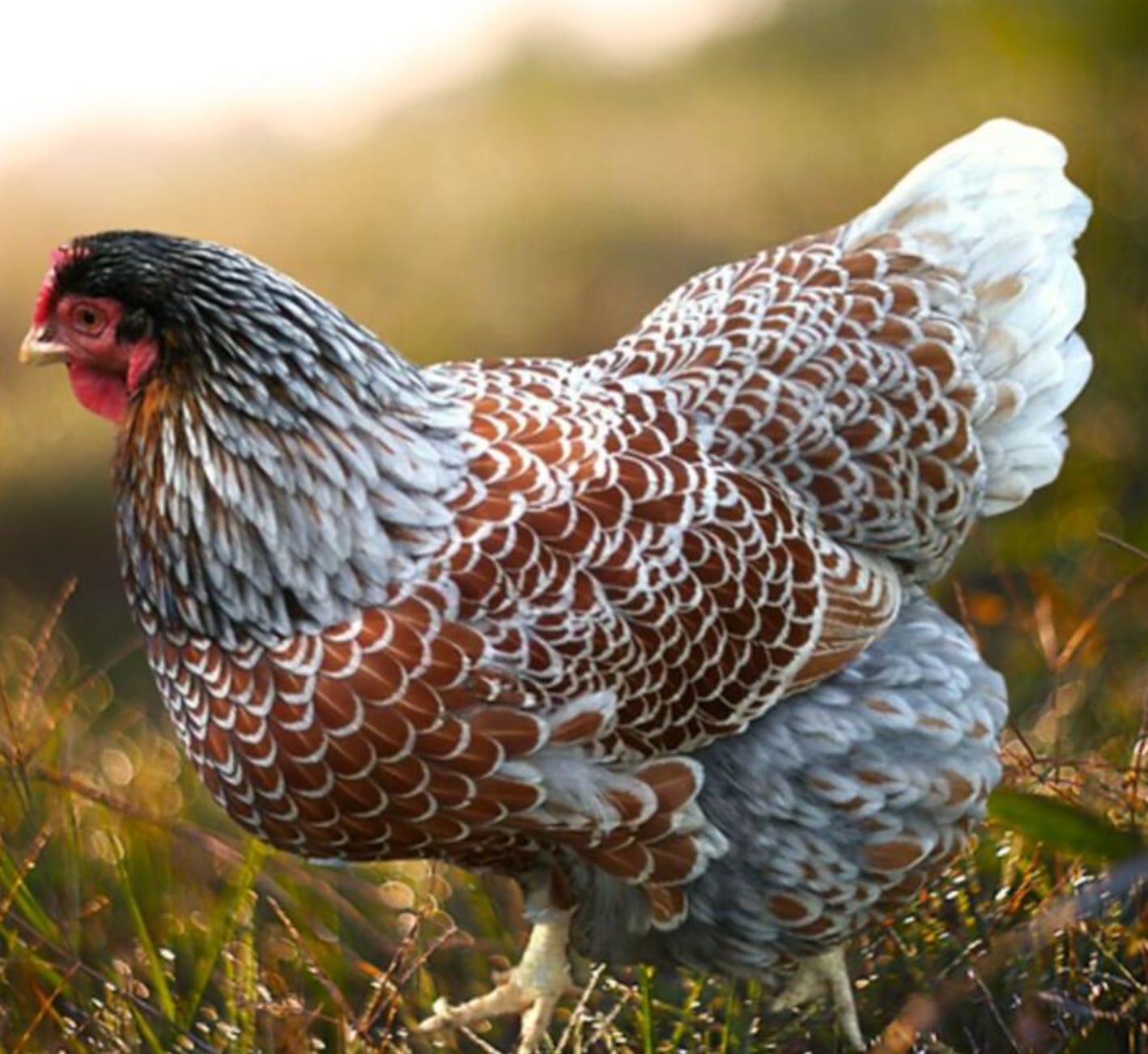
Note the reverse lacing in white on this bird. Its blue-gray head transitions to the warm sienna wing and breast feathers. The result is a solid design framework for almost any room.
The Blue-Laced Wyandotte is graced with fresh colors from its charcoal head to milk white tail feathers. The main color is sienna, or maybe a light milk chocolate that is a pleasing complement to blue or blue-gray.
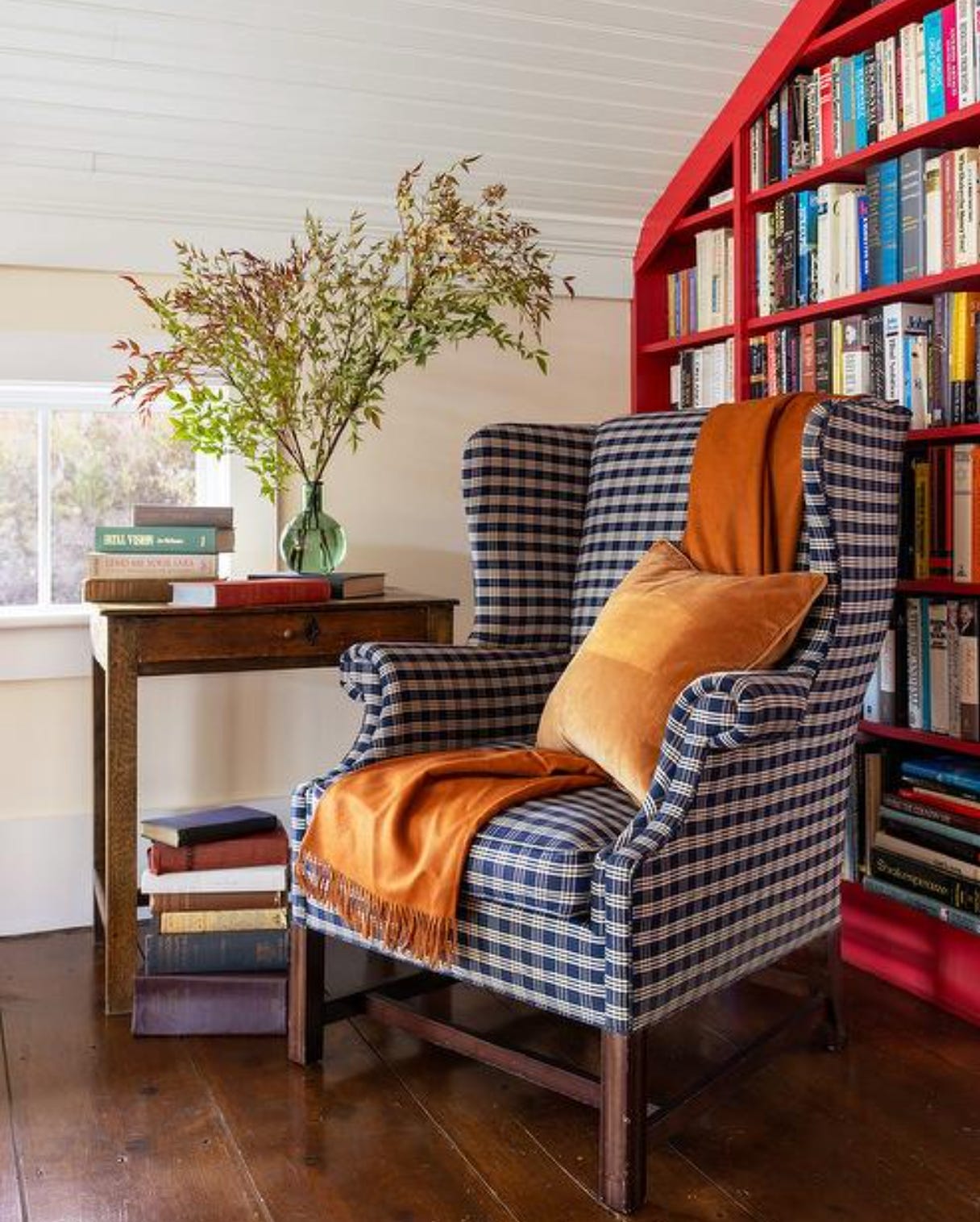
Plain wood surfaces in wide-plank floor and table get a colorful boost with the navy plaid club chair and red built-ins. Any Blue-Laced Wyandotte would feel at home roosting here. (Photo: Decor Pad)
What I learned from studying chickens, even for a brief time, is that there is much more to them than we urban and suburban dwellers realize. They are beautiful, personable creatures and we can feather our own nests in beautiful ways thanks to them.
I agree with you about using nature to adorn your home with color. Chickens, birds, owls and other winged creatures inspire me in so many ways. Thank you for your beautifully written description of good design ideas and of course the photos too!
I love this!!! Chickens really are so beautiful, I love them.